
Play Synopsis
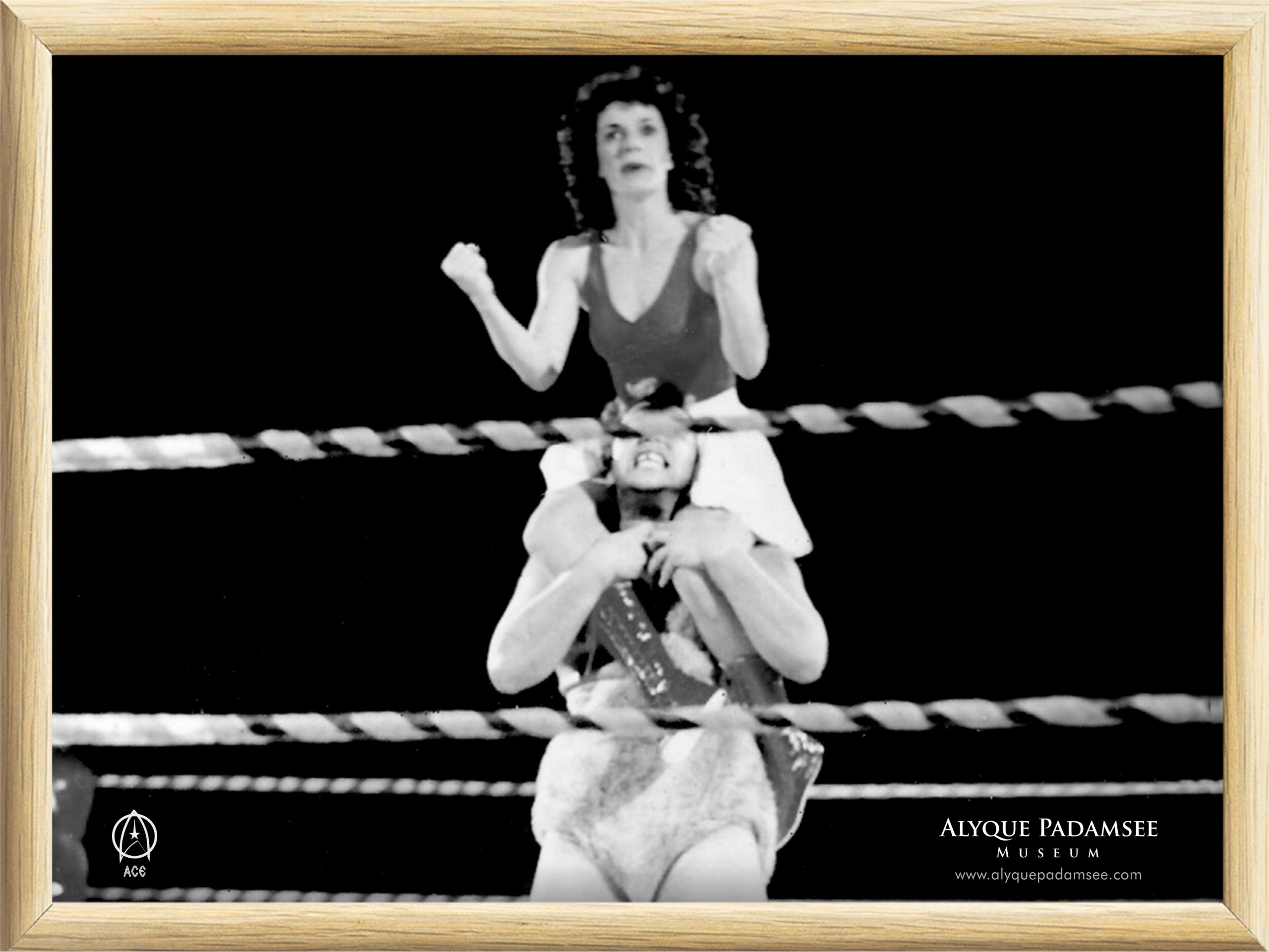
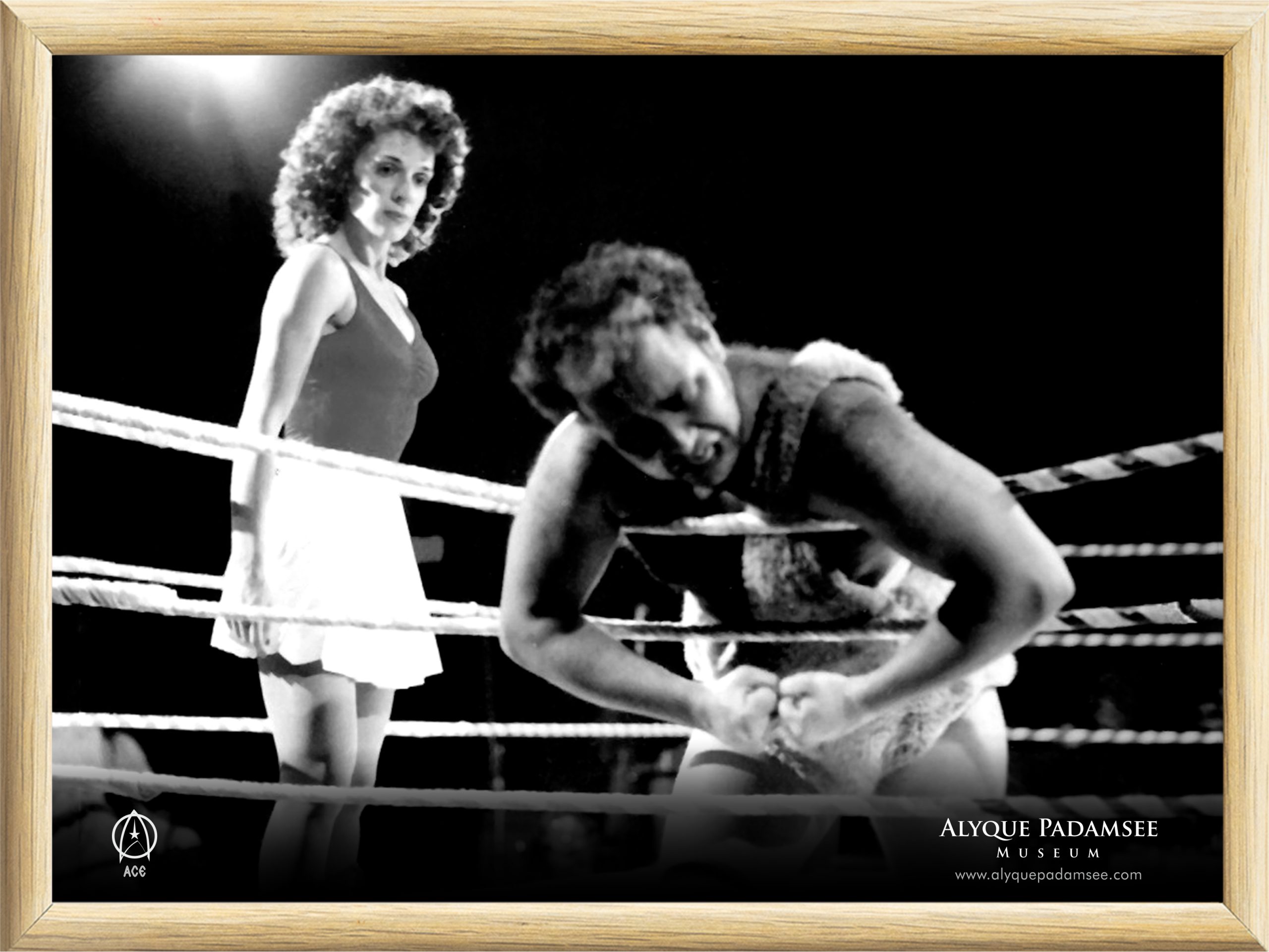
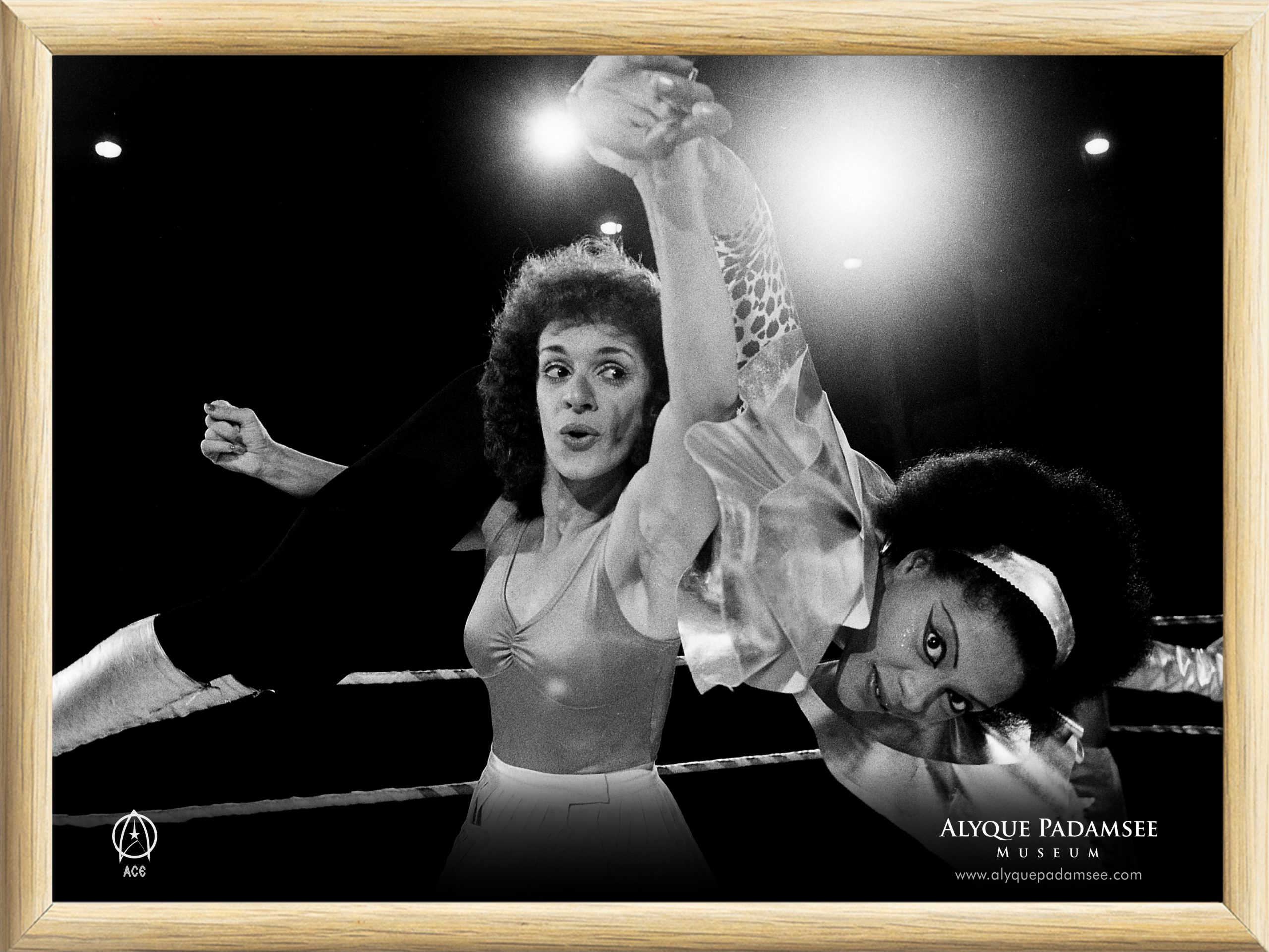
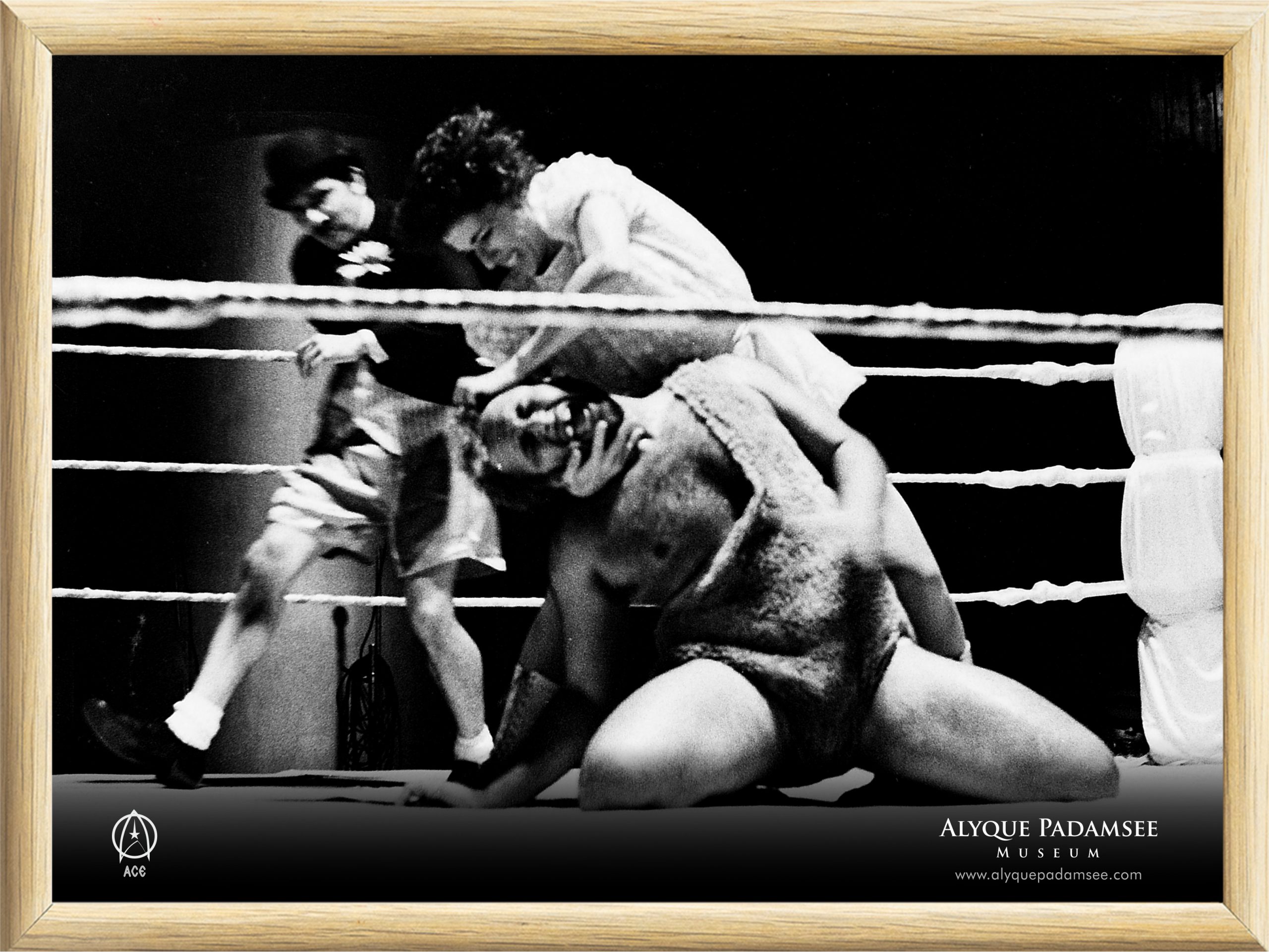
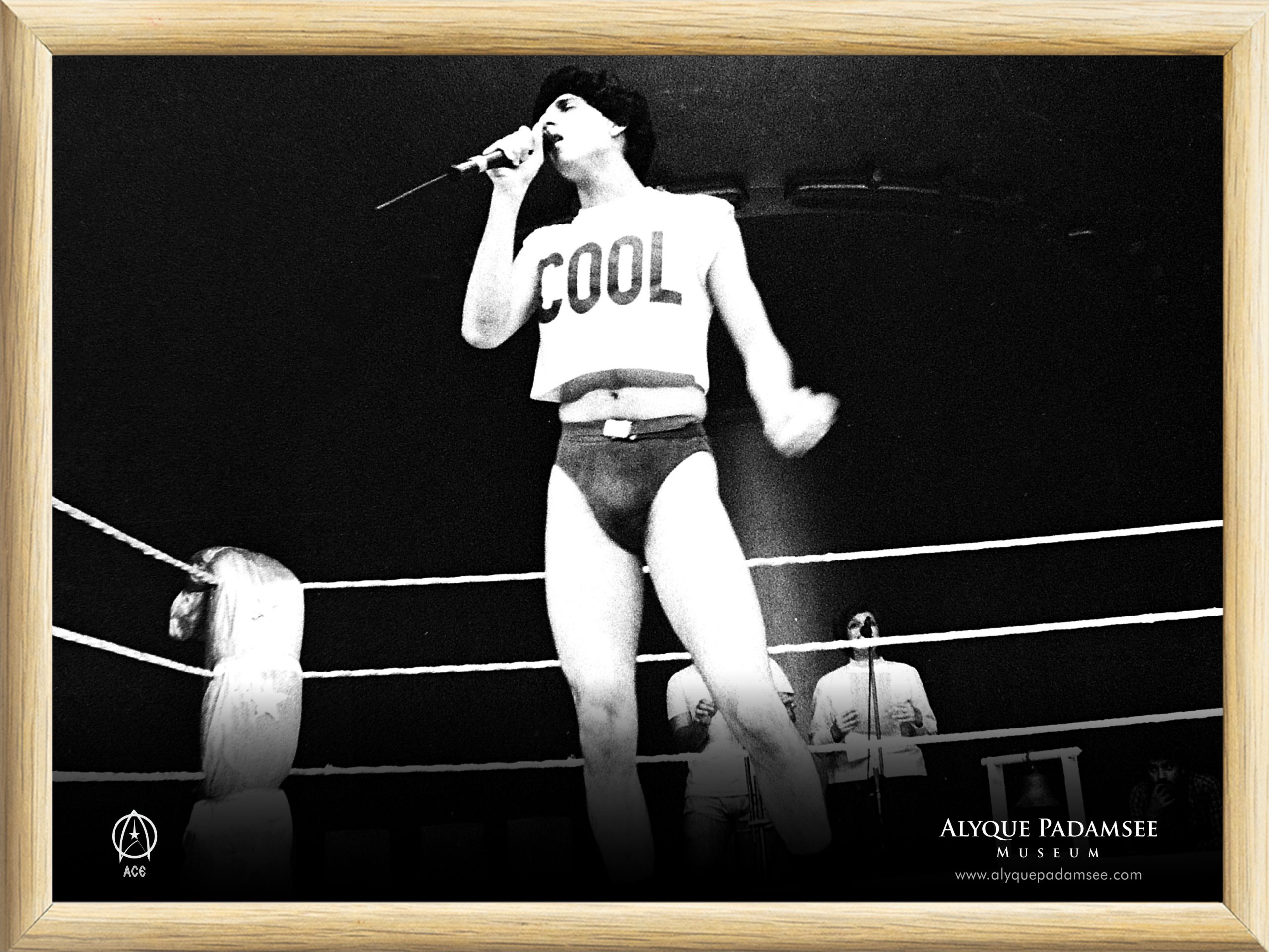
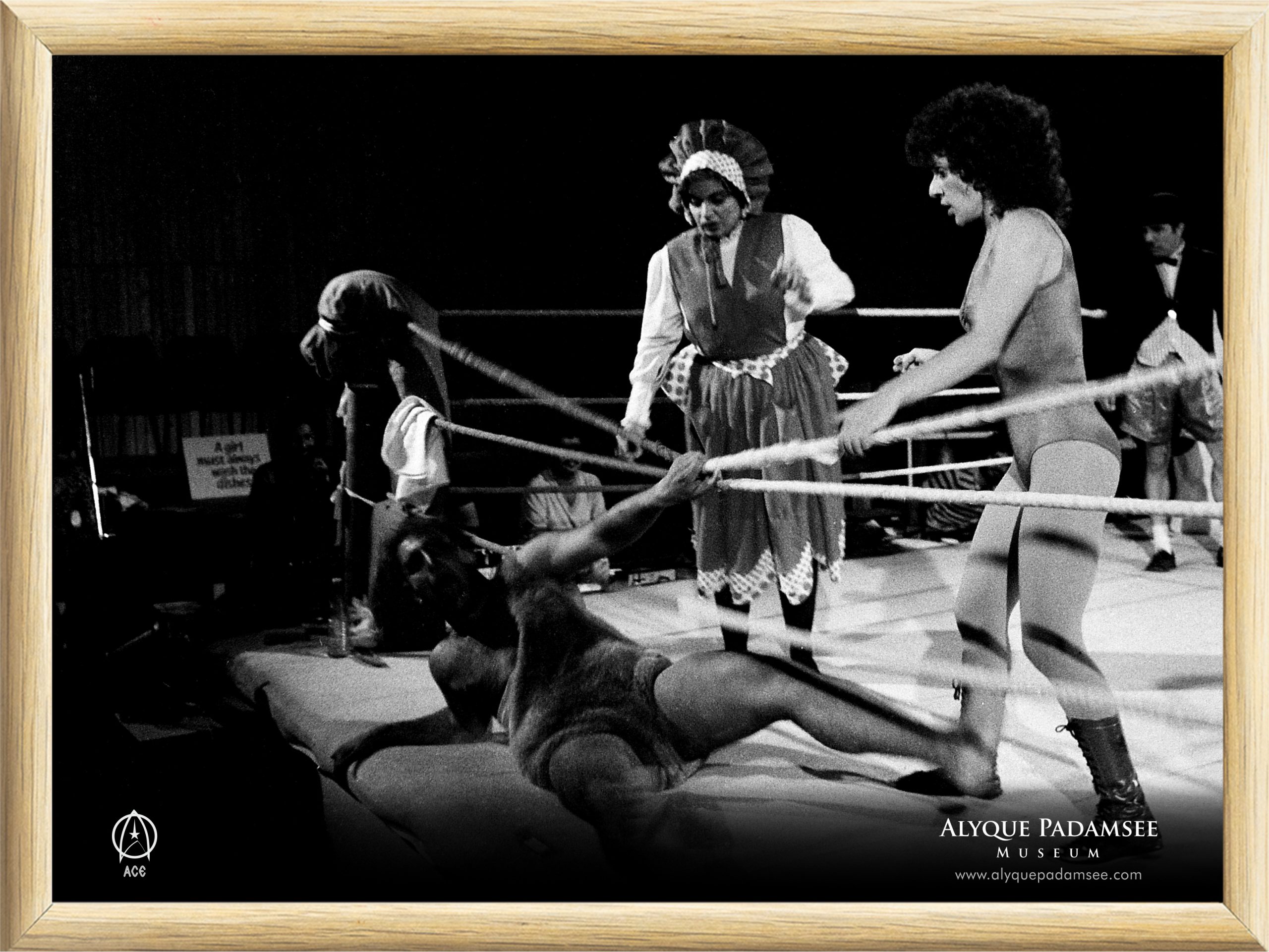
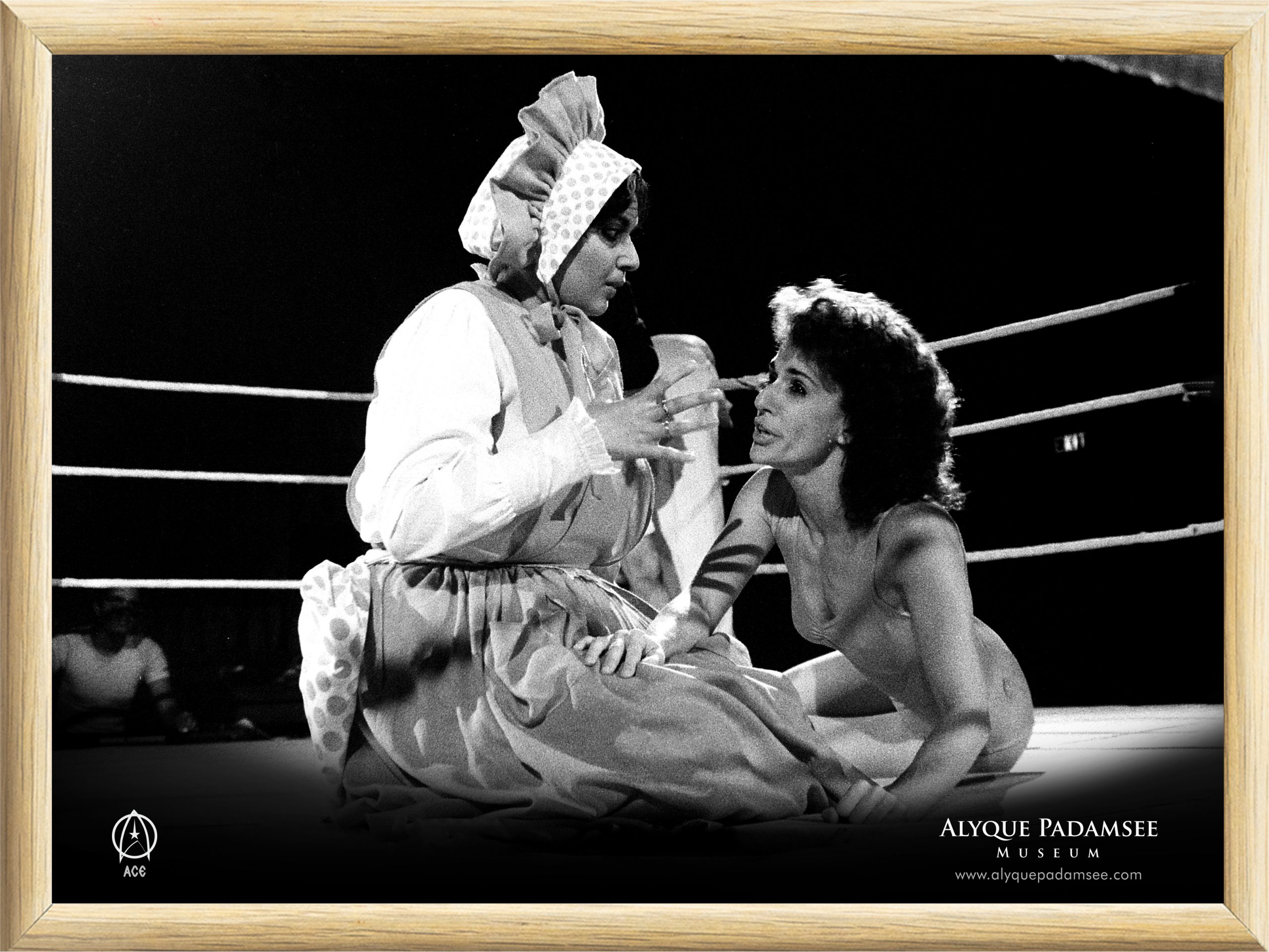
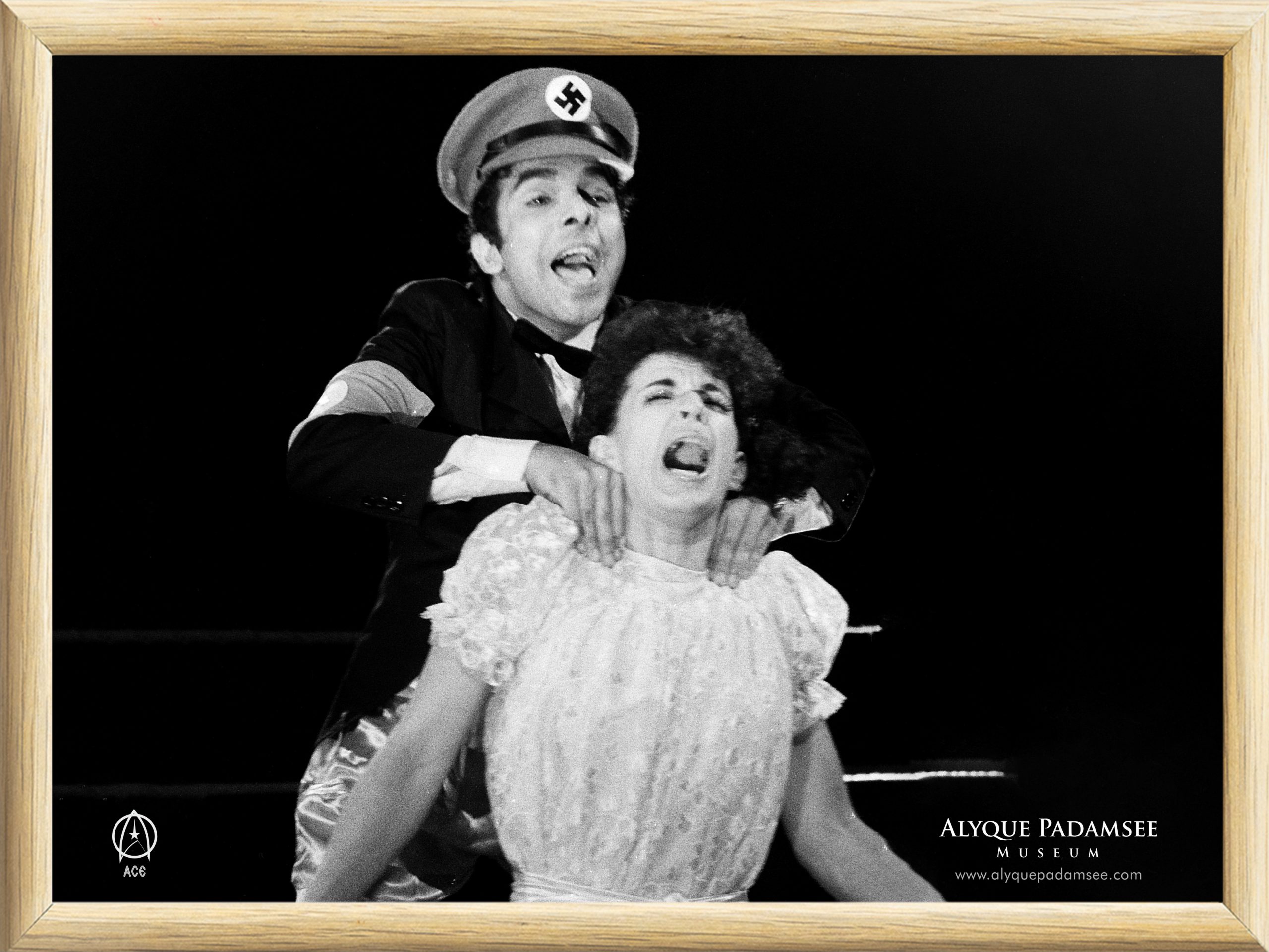
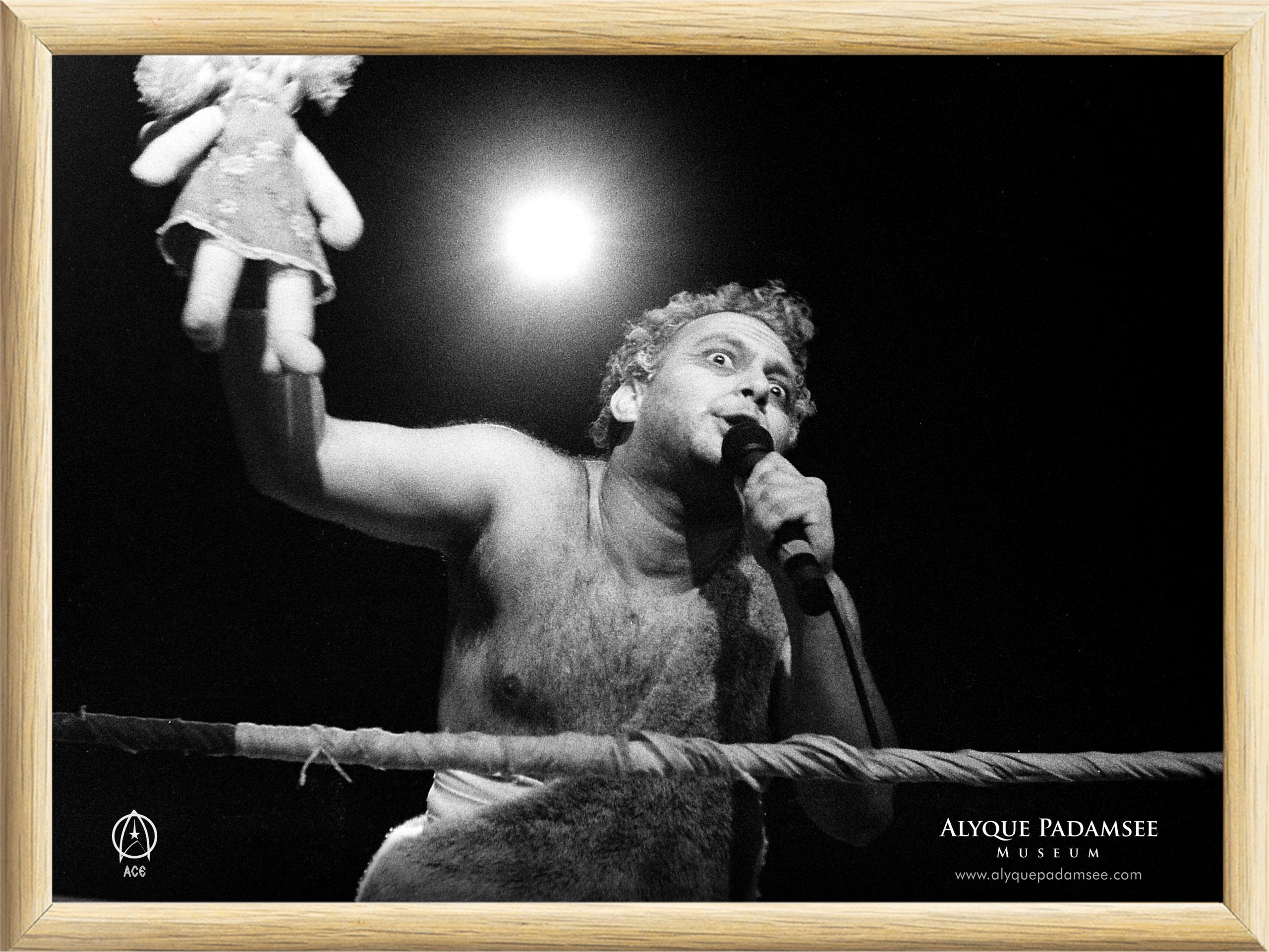
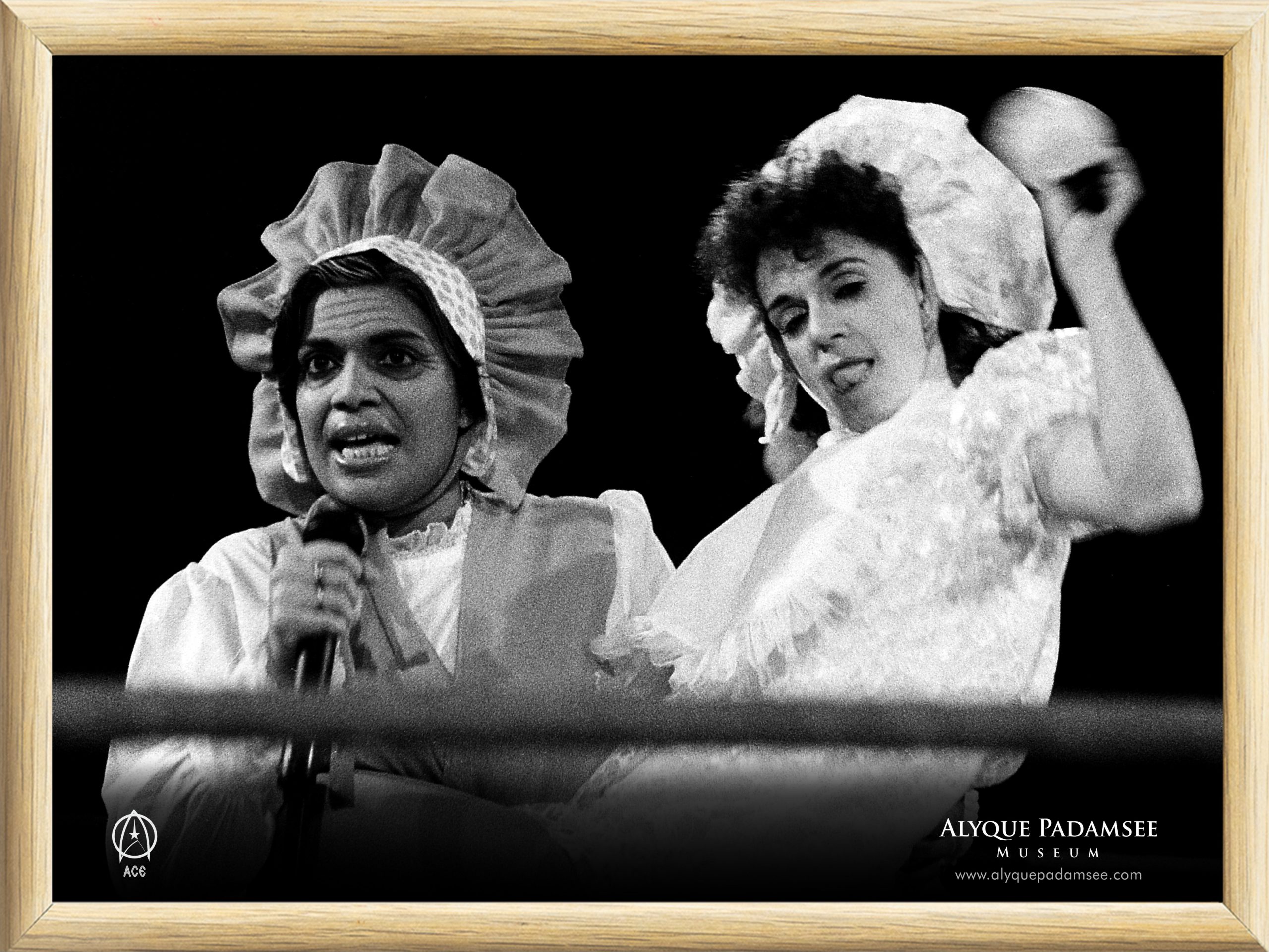
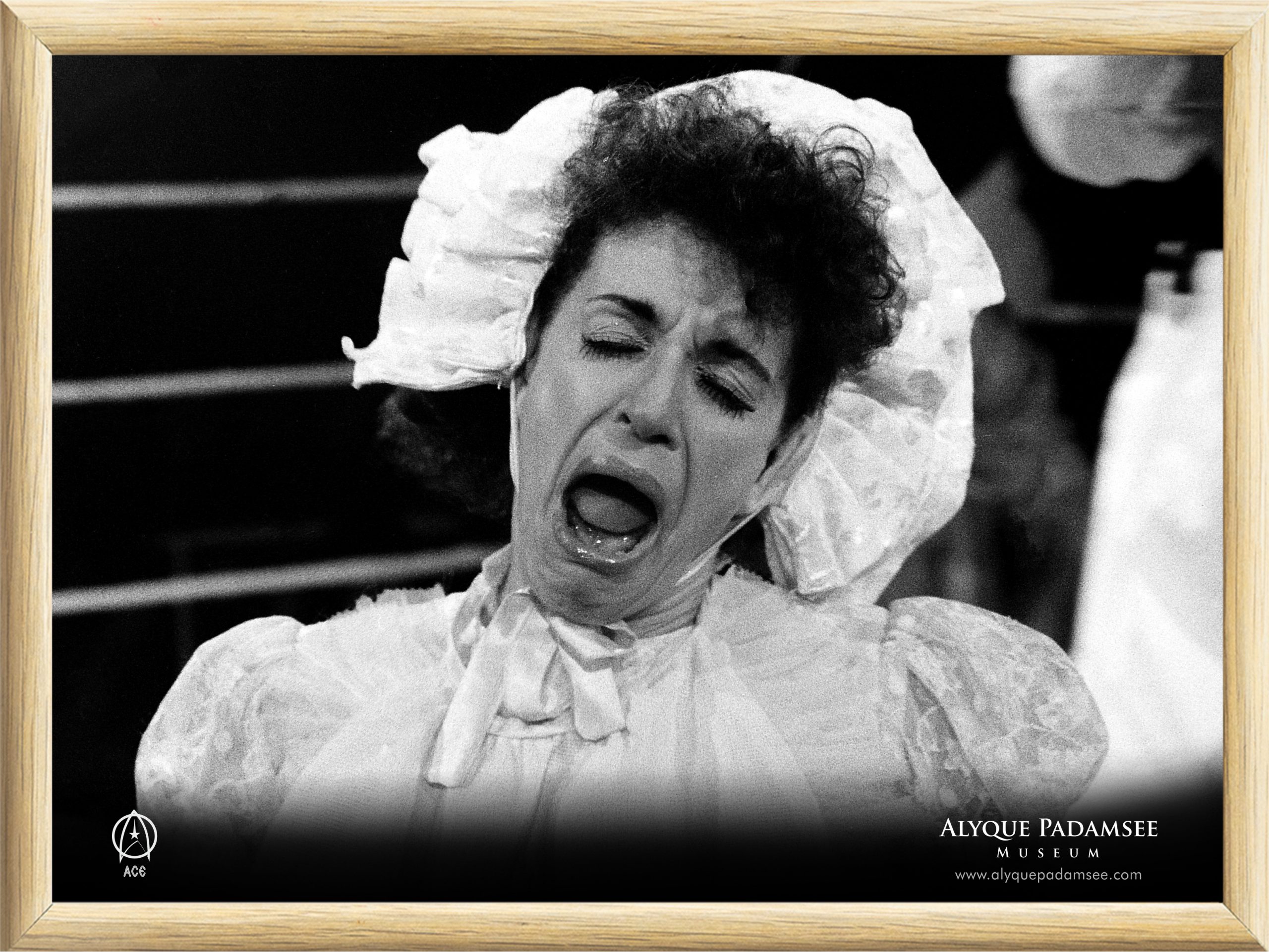
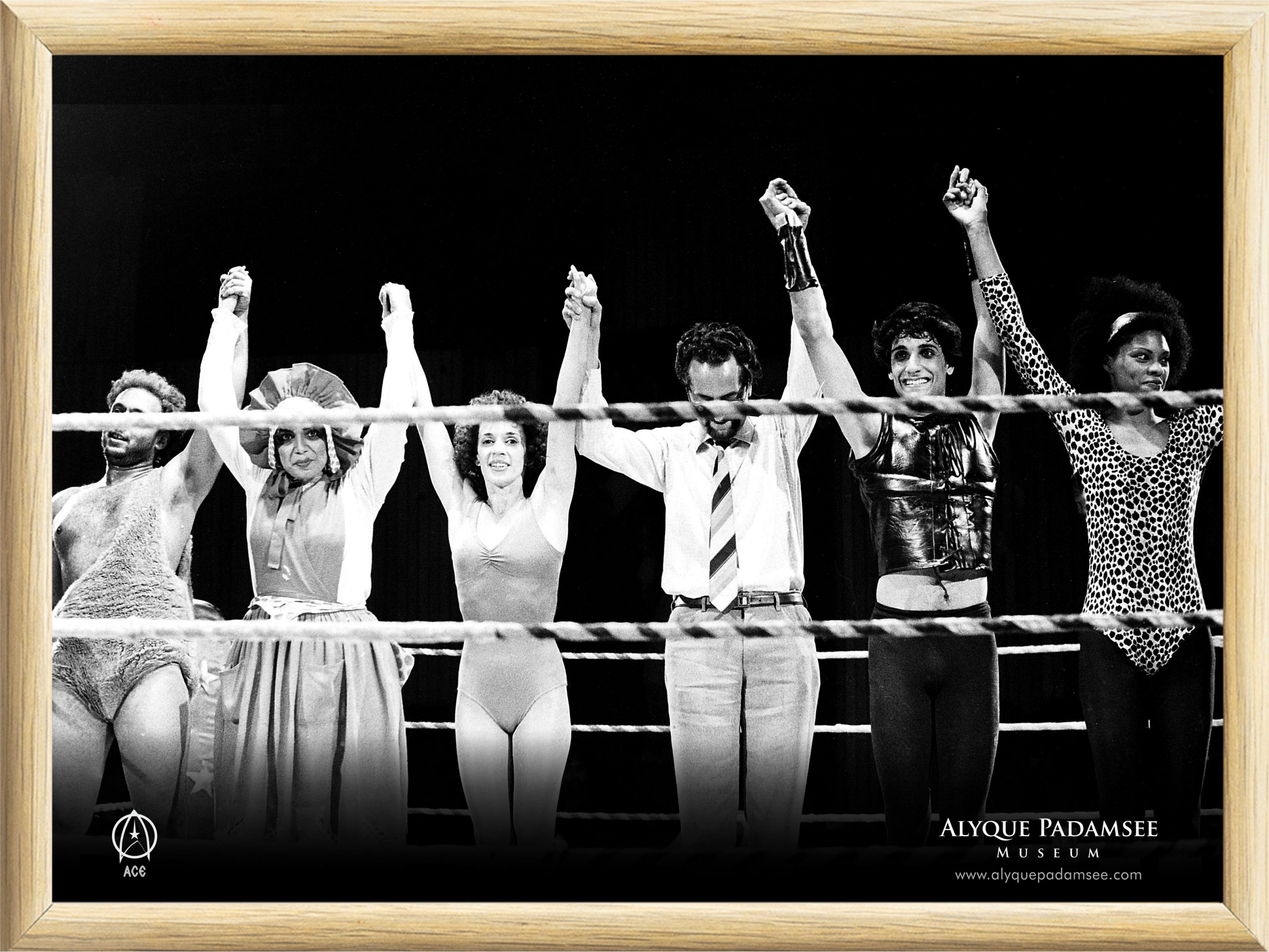
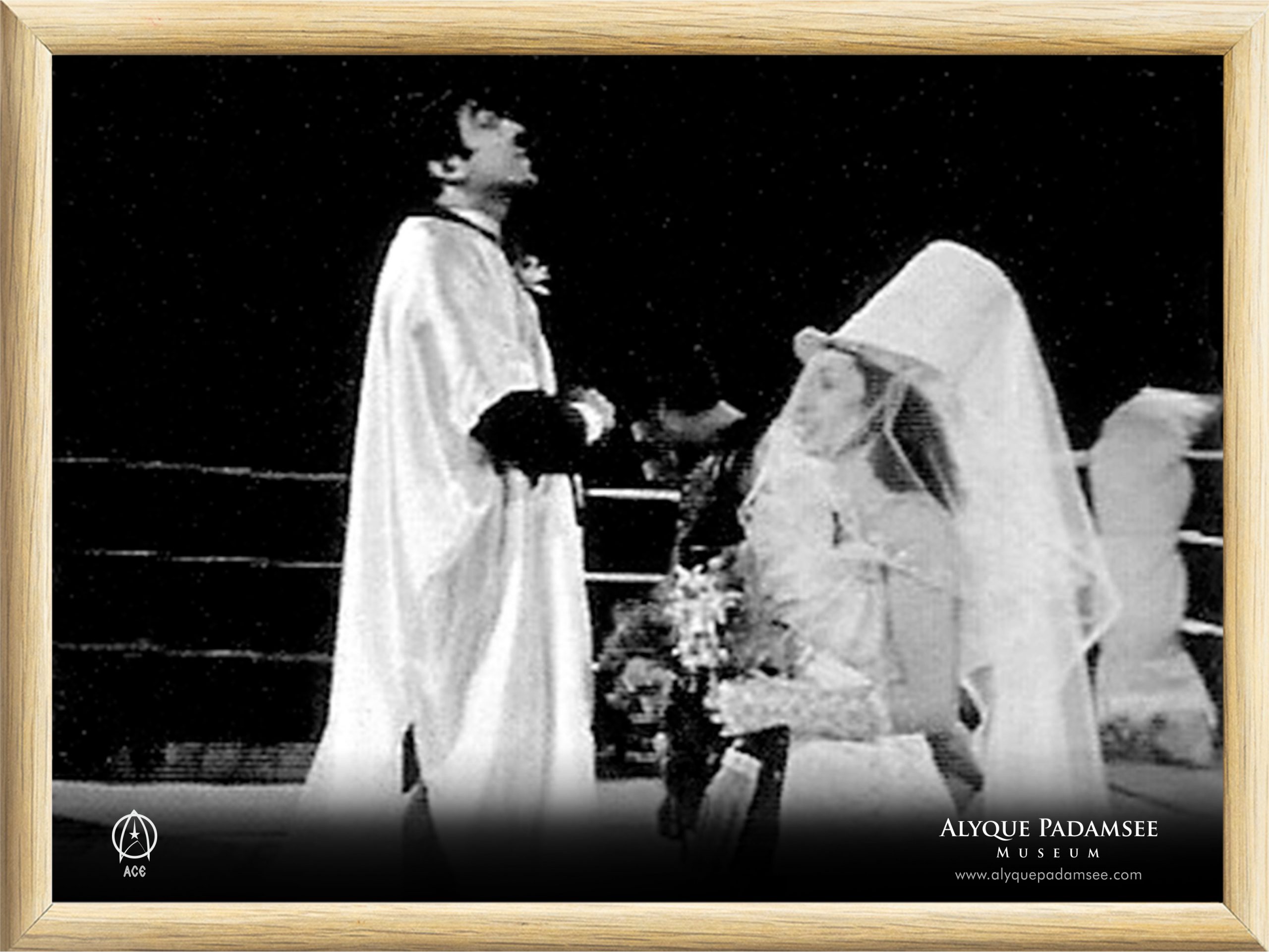
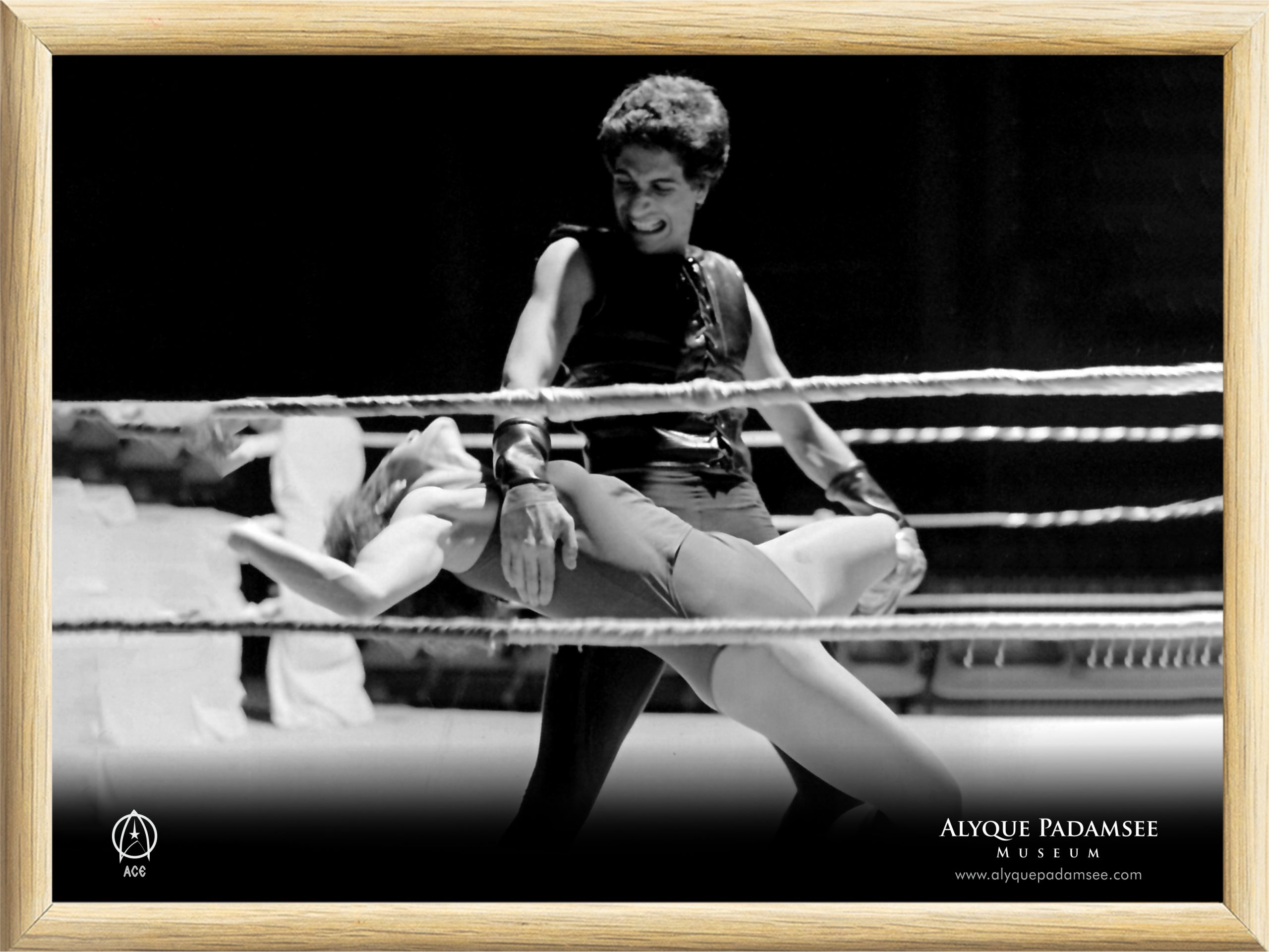
The play is set in a wrestling ring where the story of the title character, Tanzi, is told. Tanzi’s parents bring her up to be feminine, but she refuses to conform to traditional femininity and is labelled a tomboy. She marries a professional wrestler named Dean Rebel and supports him in his career. Eventually, she becomes a champion professional wrestler herself and finally challenges her husband Dean to a match, with the loser being required to do the housework.
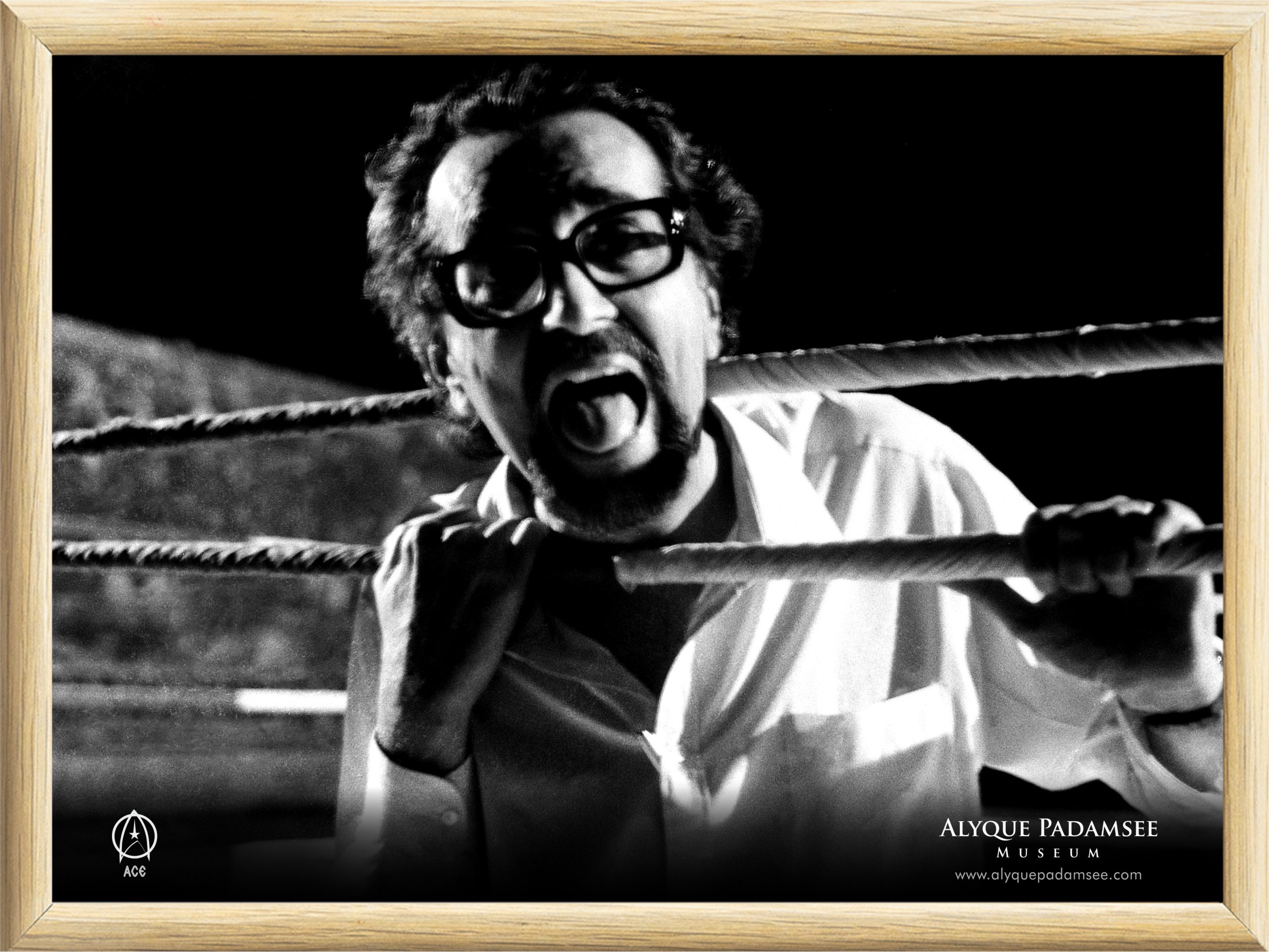
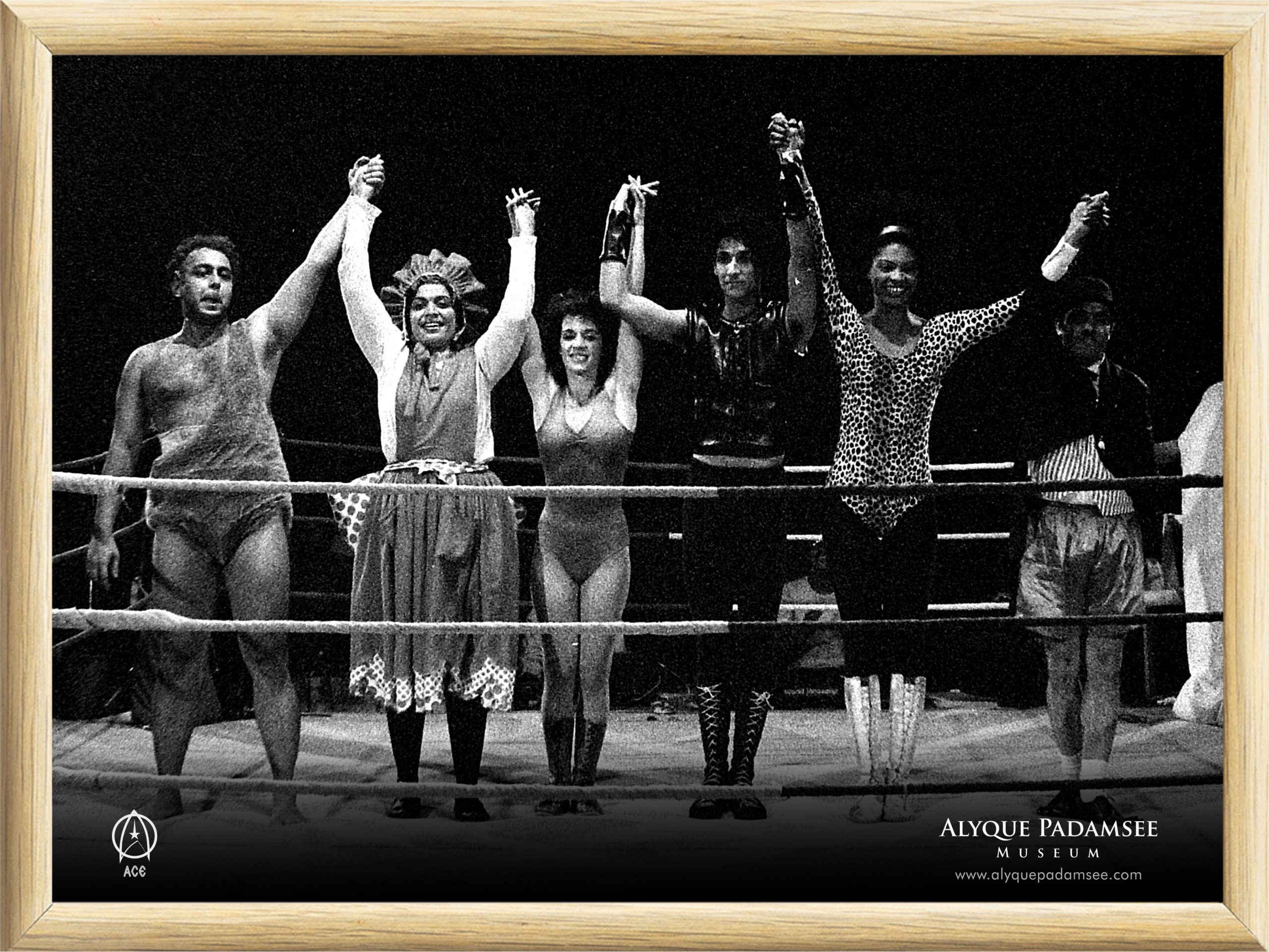
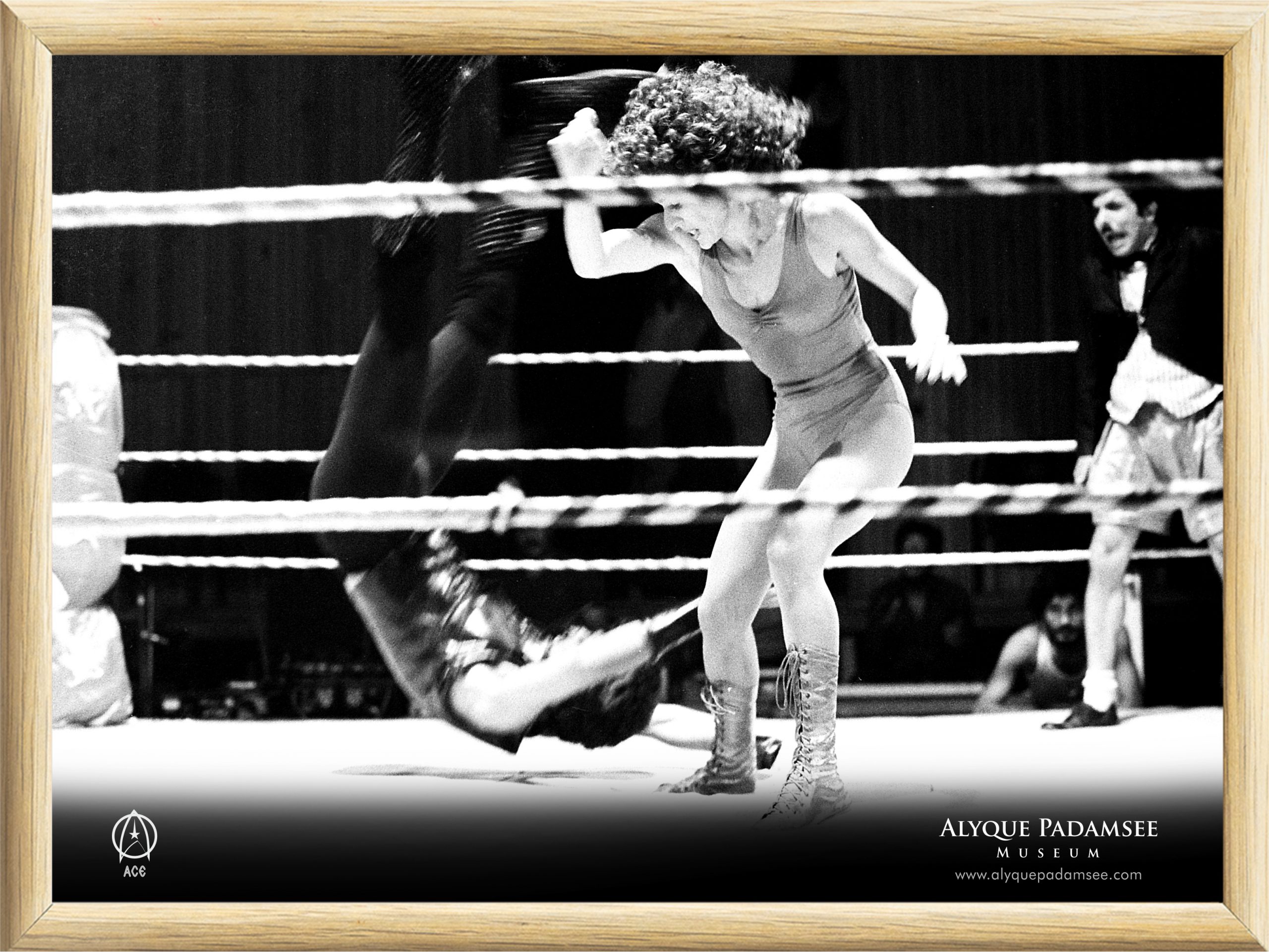
In keeping with the wrestling theme, the play is divided into ten rounds, each of which ends with a bell. All of the cast members participate in wrestling during the play, and the audience is welcome to cheer and boo the characters as though they were at an actual wrestling match.
Totally ahead of its time, ‘Tarantula Tanzi’ is a cult classic that even to date evokes a sense of wonder.
Its unique staging was challenging. A love story told in ten wrestling rounds in a proper ring. Alyque had it set in the Experimental Theatre, rearranging all the seating around a central ring. It was a pioneering theatrical venture.
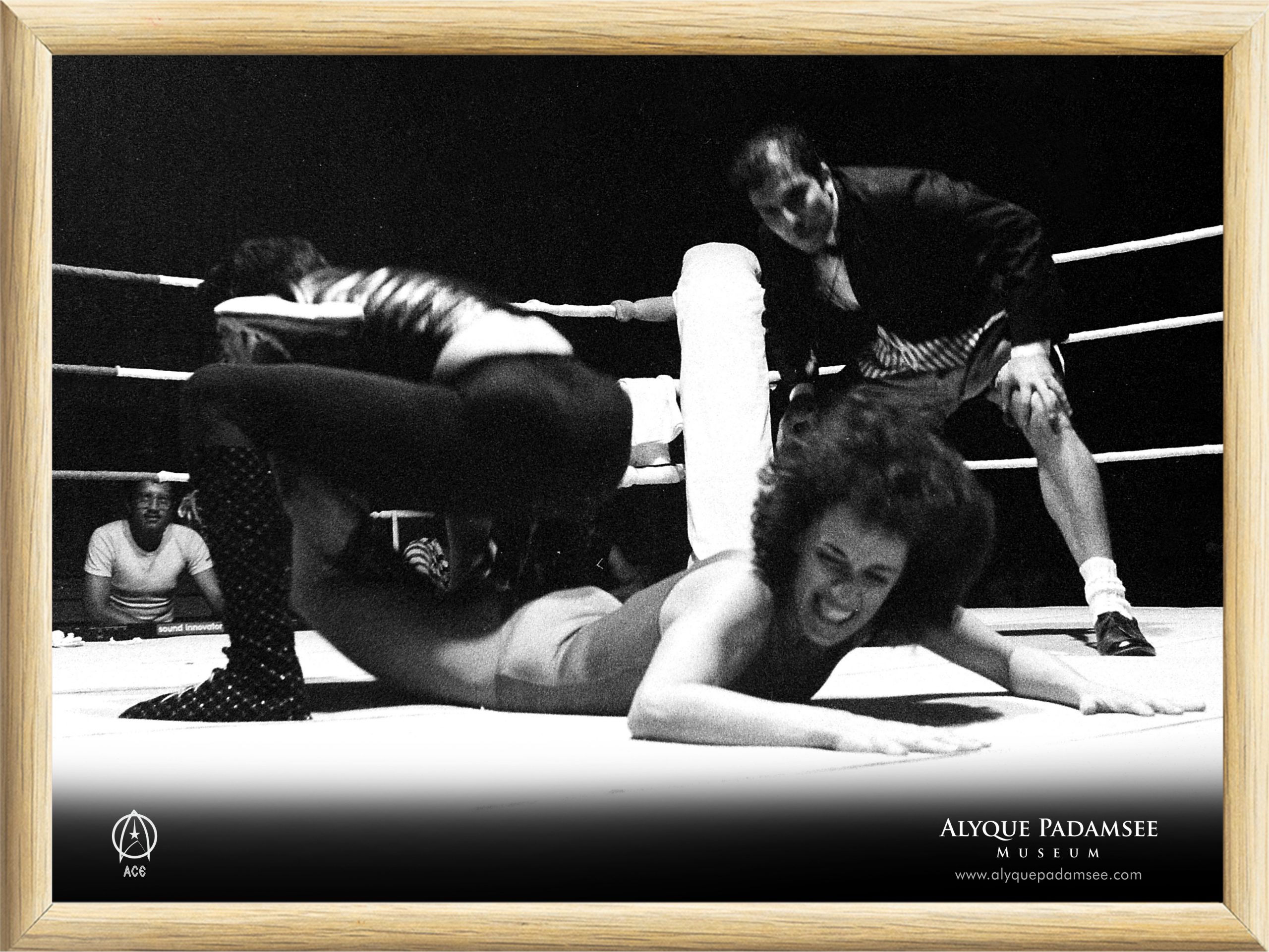
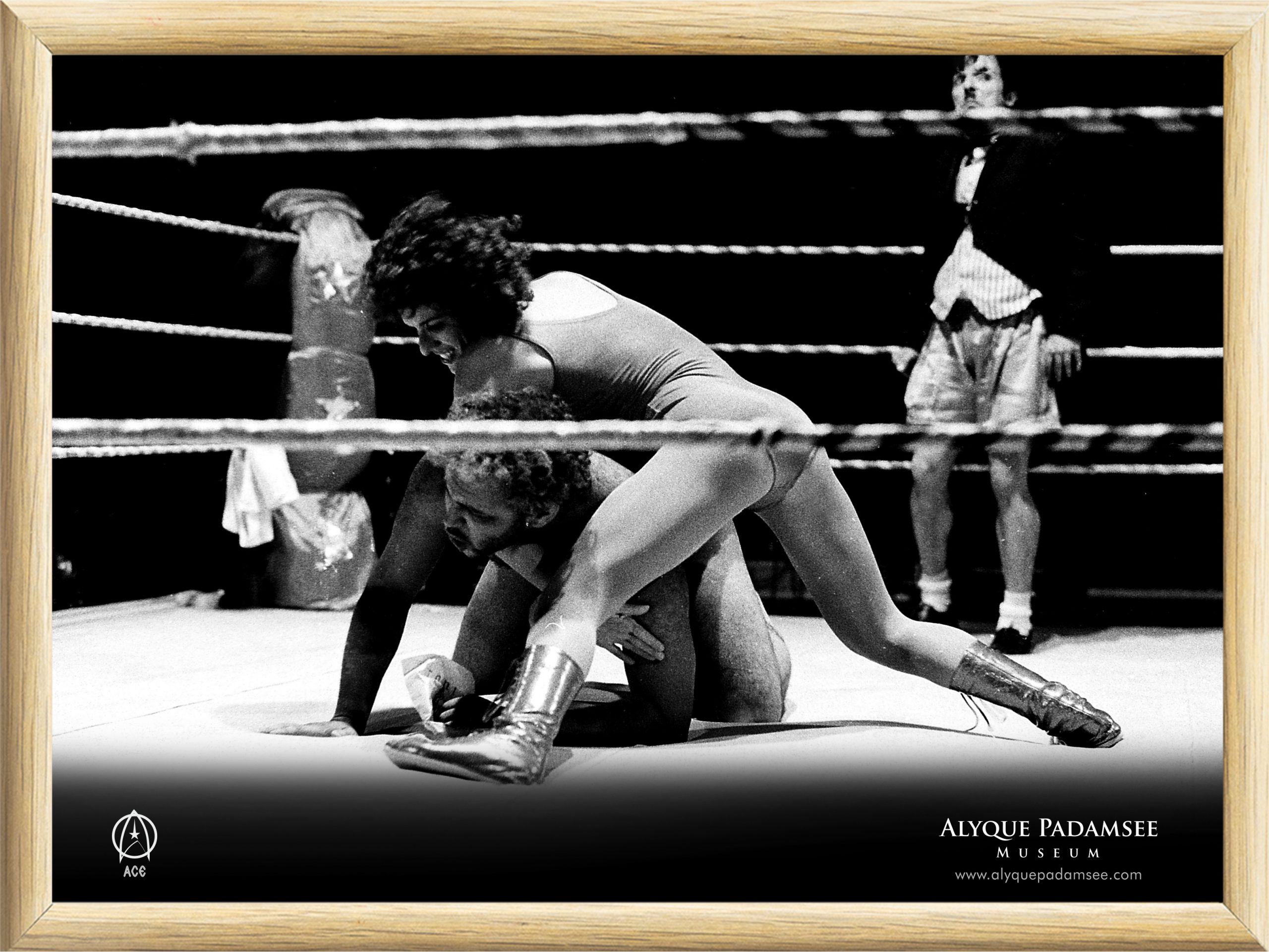
Months of gruelling training with Dara Singh’s family had built each actor’s strength and resilience. They learned the art of professional wrestling, and the training period was gruelling.
Karla reminisces: “After every show, I would look at myself to see if there were parts of me that were not bruised and bashed.”
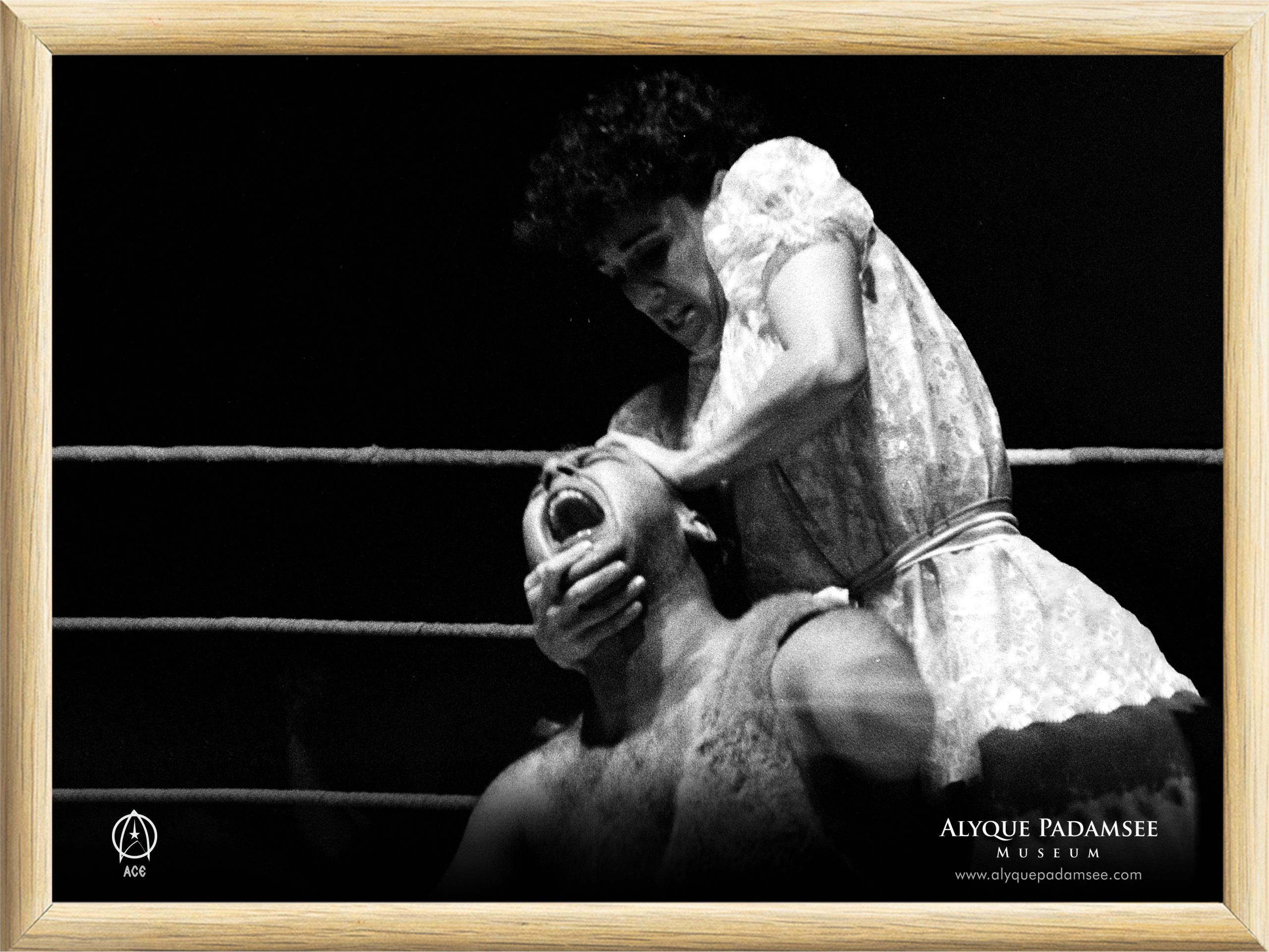
It was theatrically staged violence but some elements of reality were unavoidable.
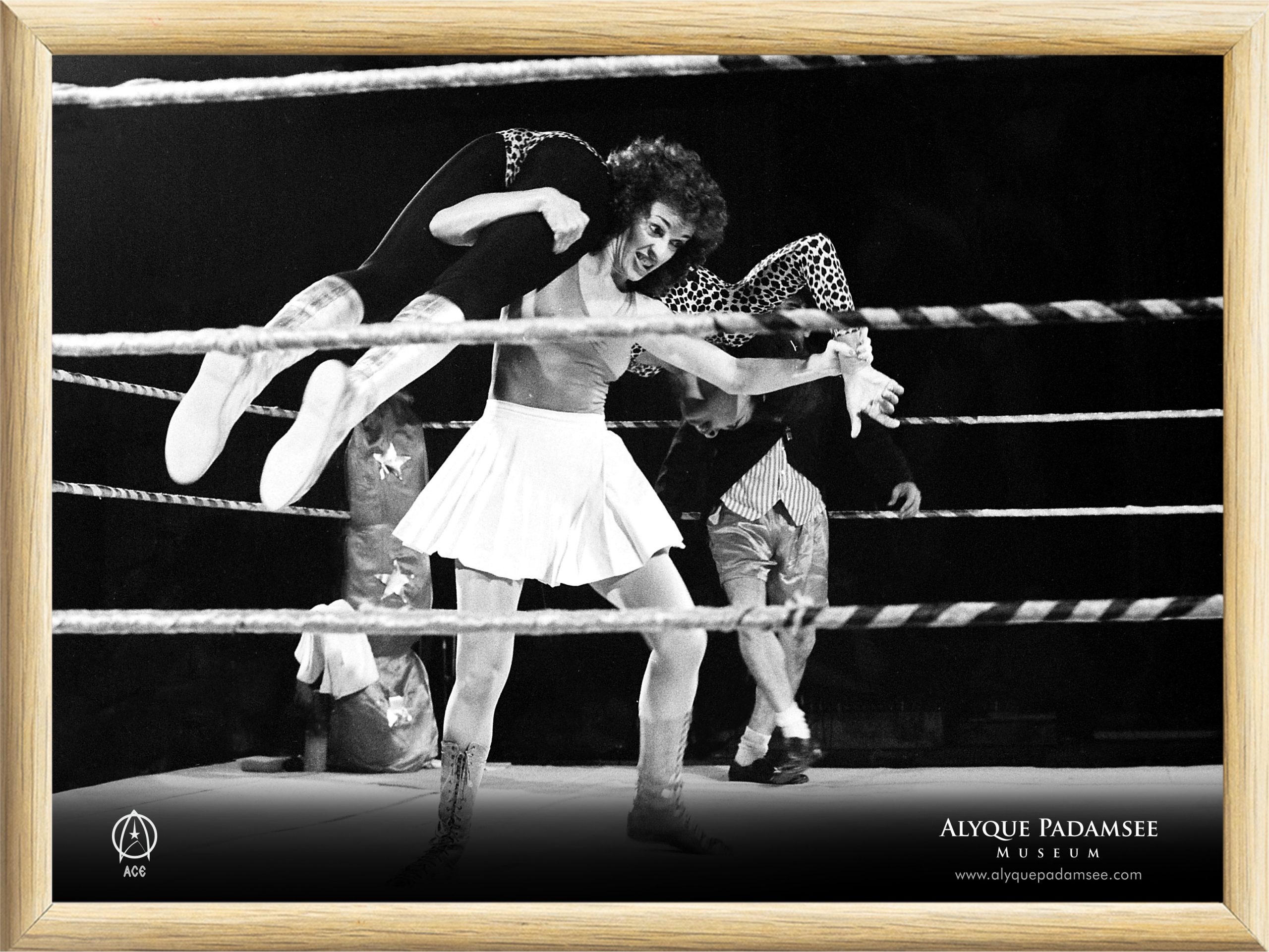
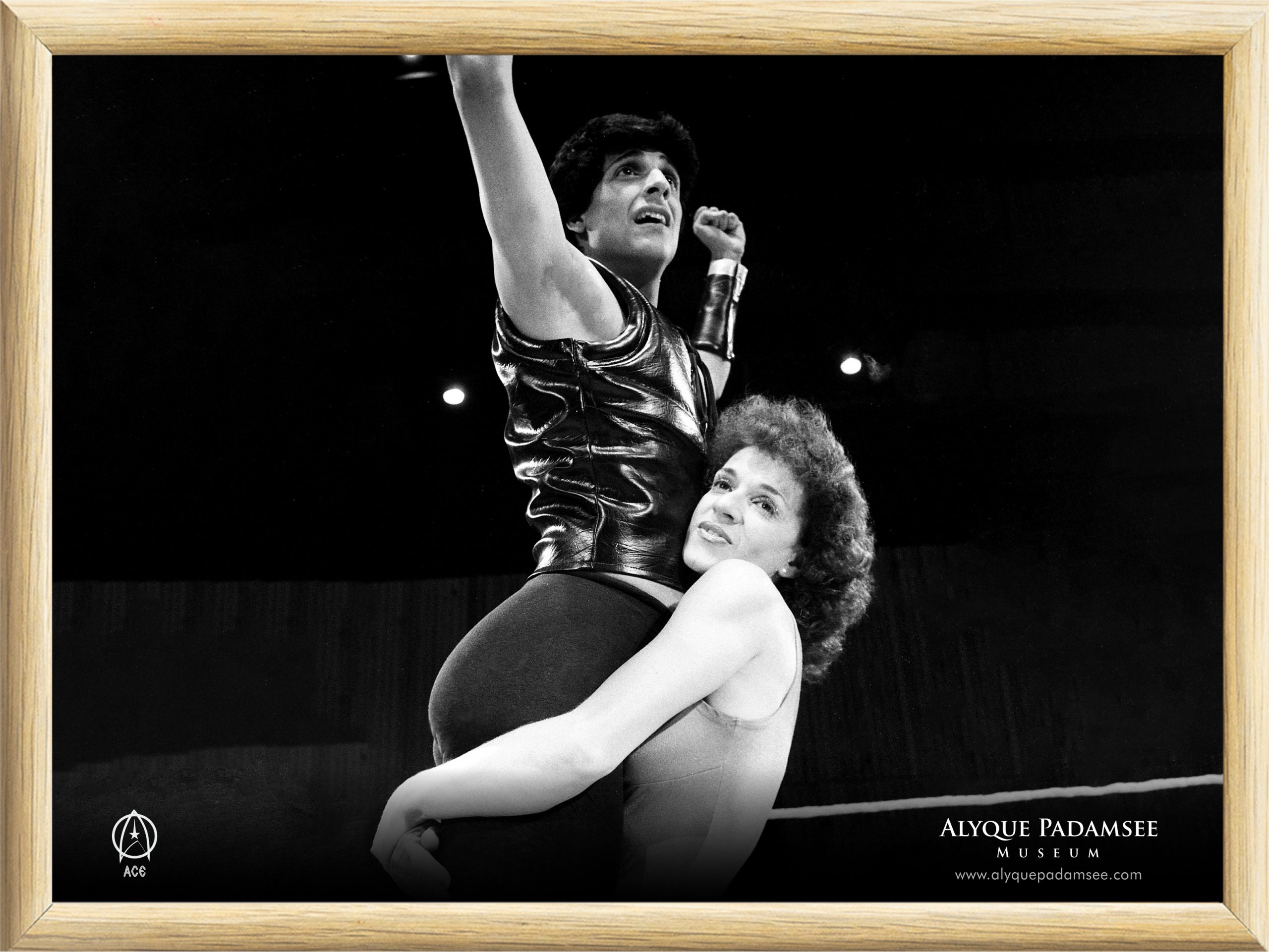
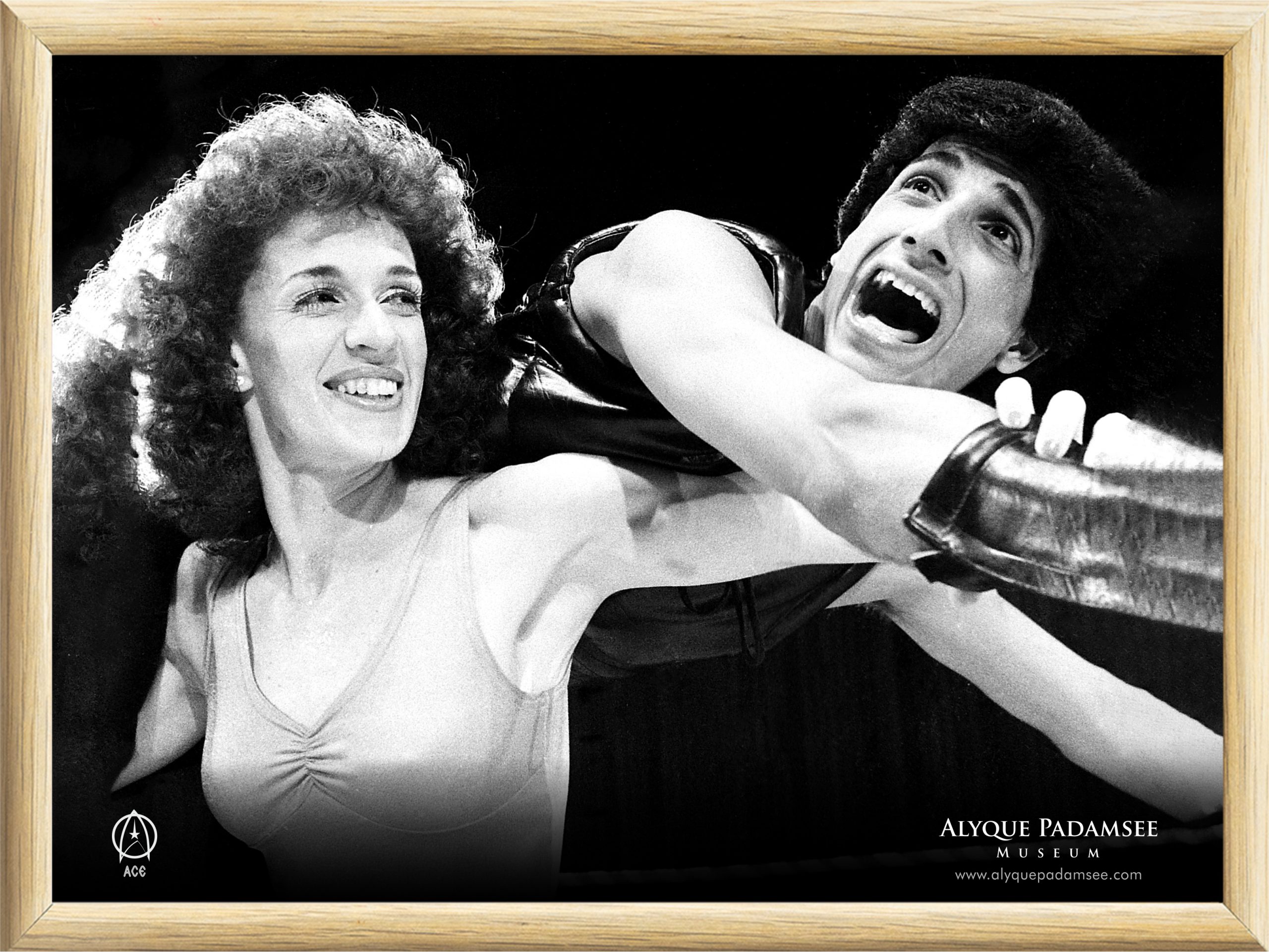
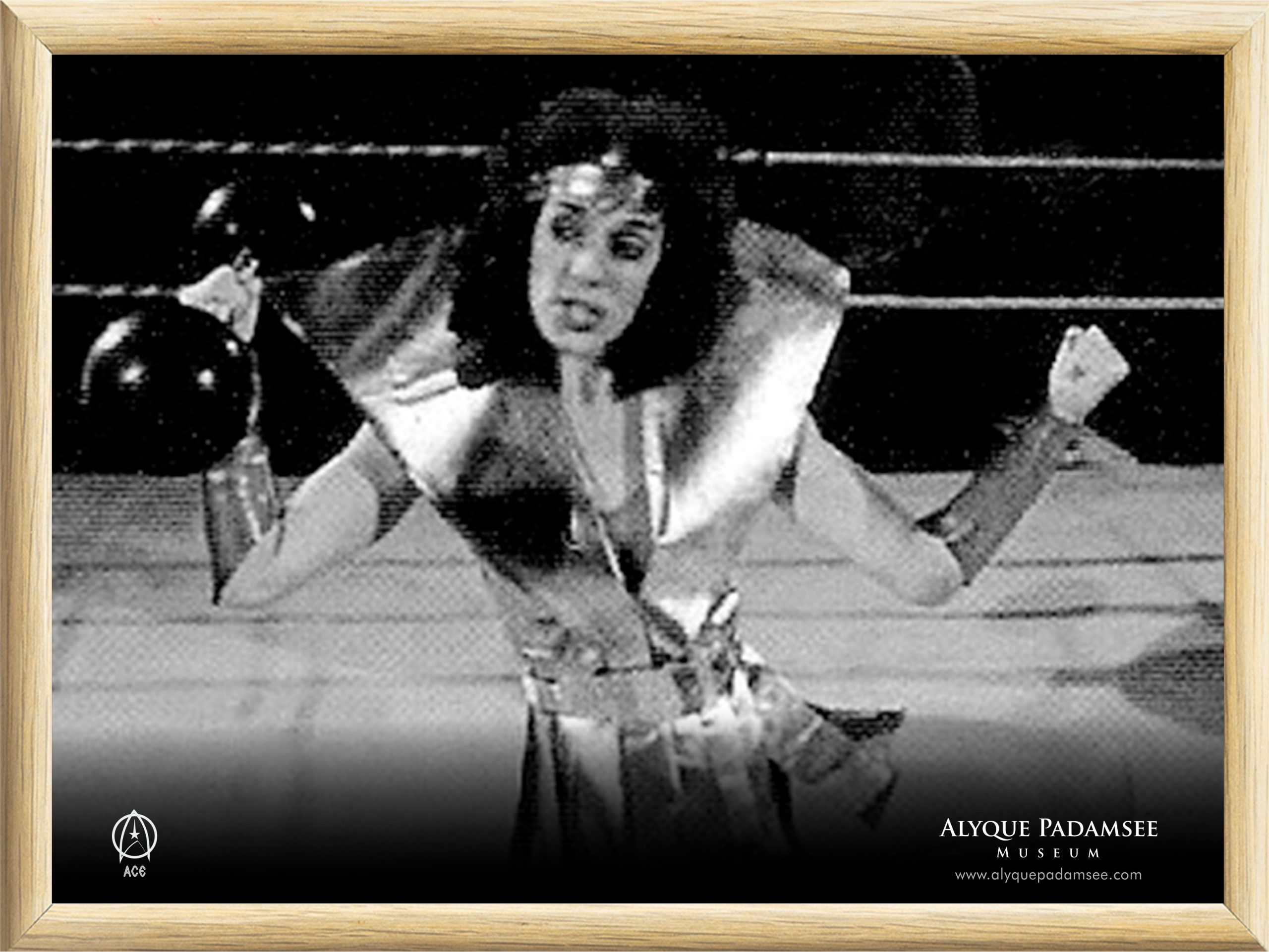
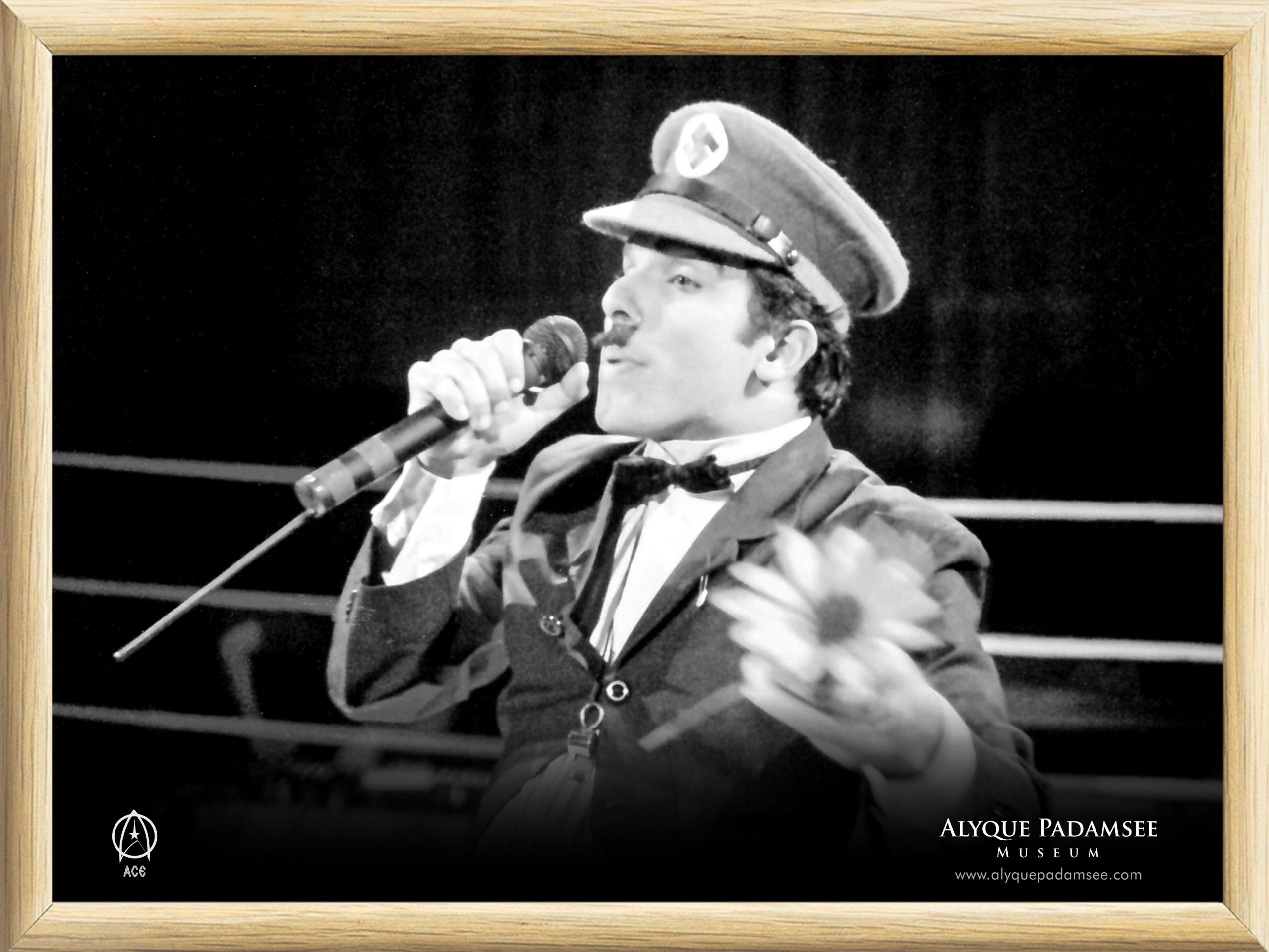
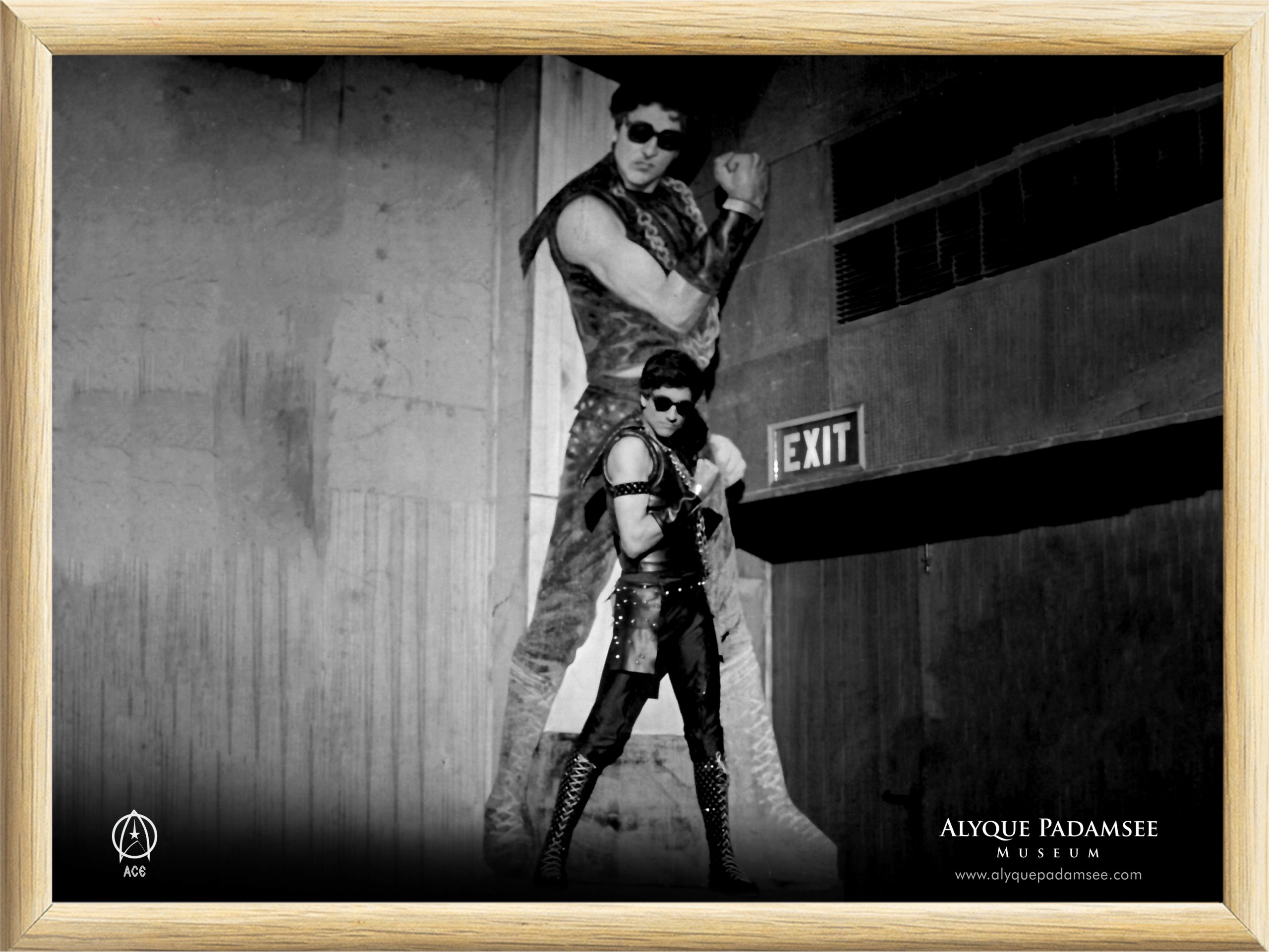
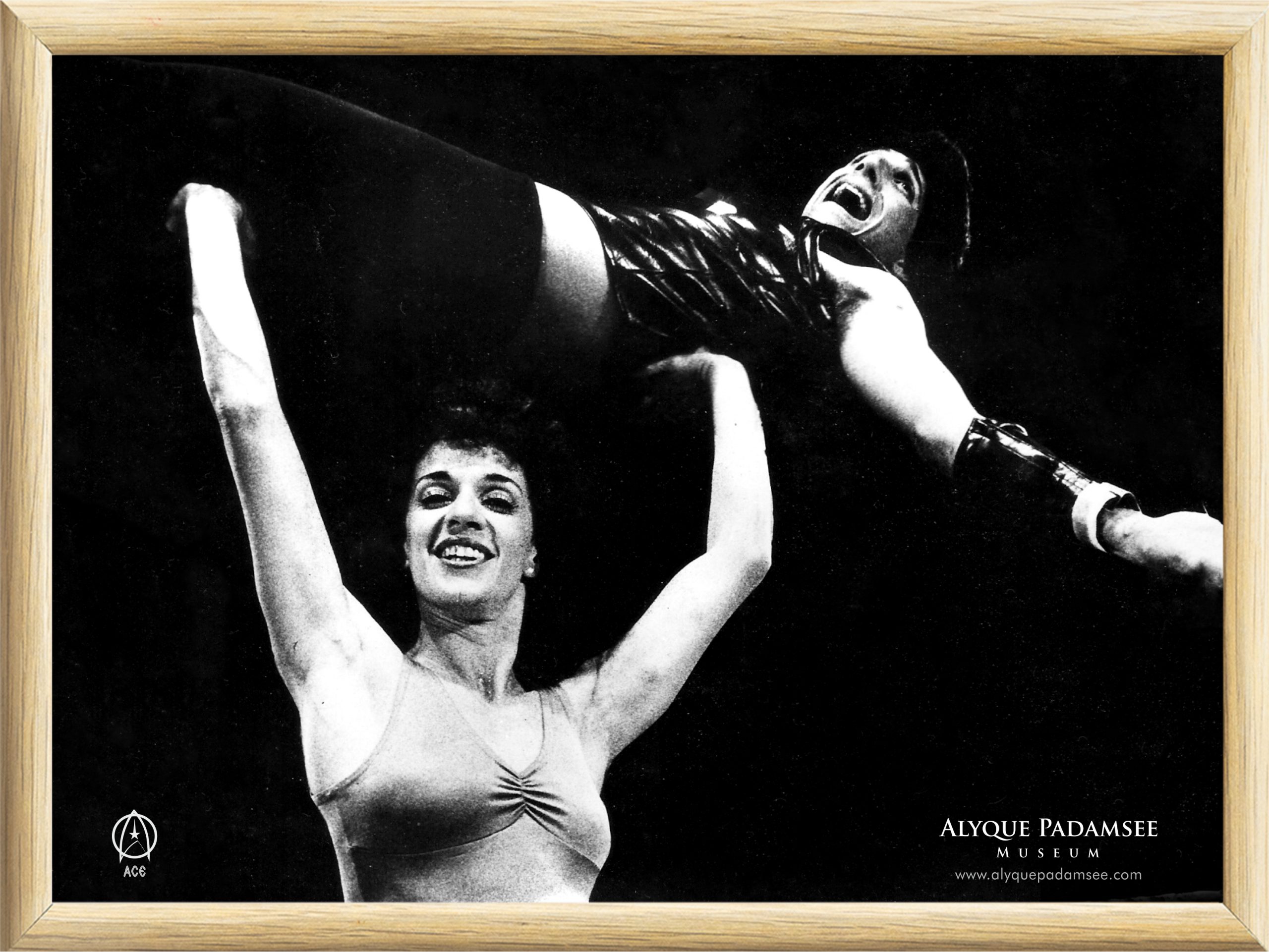
Ten rounds. The referee blows the whistle. Karla as Tanzi enters the ring. She punches, bruises and knocks her opponents down one by one, crushing all opposition that dared to block her path. Bodies swirled; the sweat was flying; you could hear the actors gasping for air, and it was a viewer’s rollercoaster of thrills. No one but Karla Singh could have been capable of playing Tanzi. She was athletic, light-footed, iron-willed, and up for the challenge. Shiamak played her hero. He was flexible, cute, and definitely displayed rubber limbs. A young exotic French girl from the French Consulate, Monique, played Karla’s rival. She was 6 feet tall, athletic, and gorgeous.
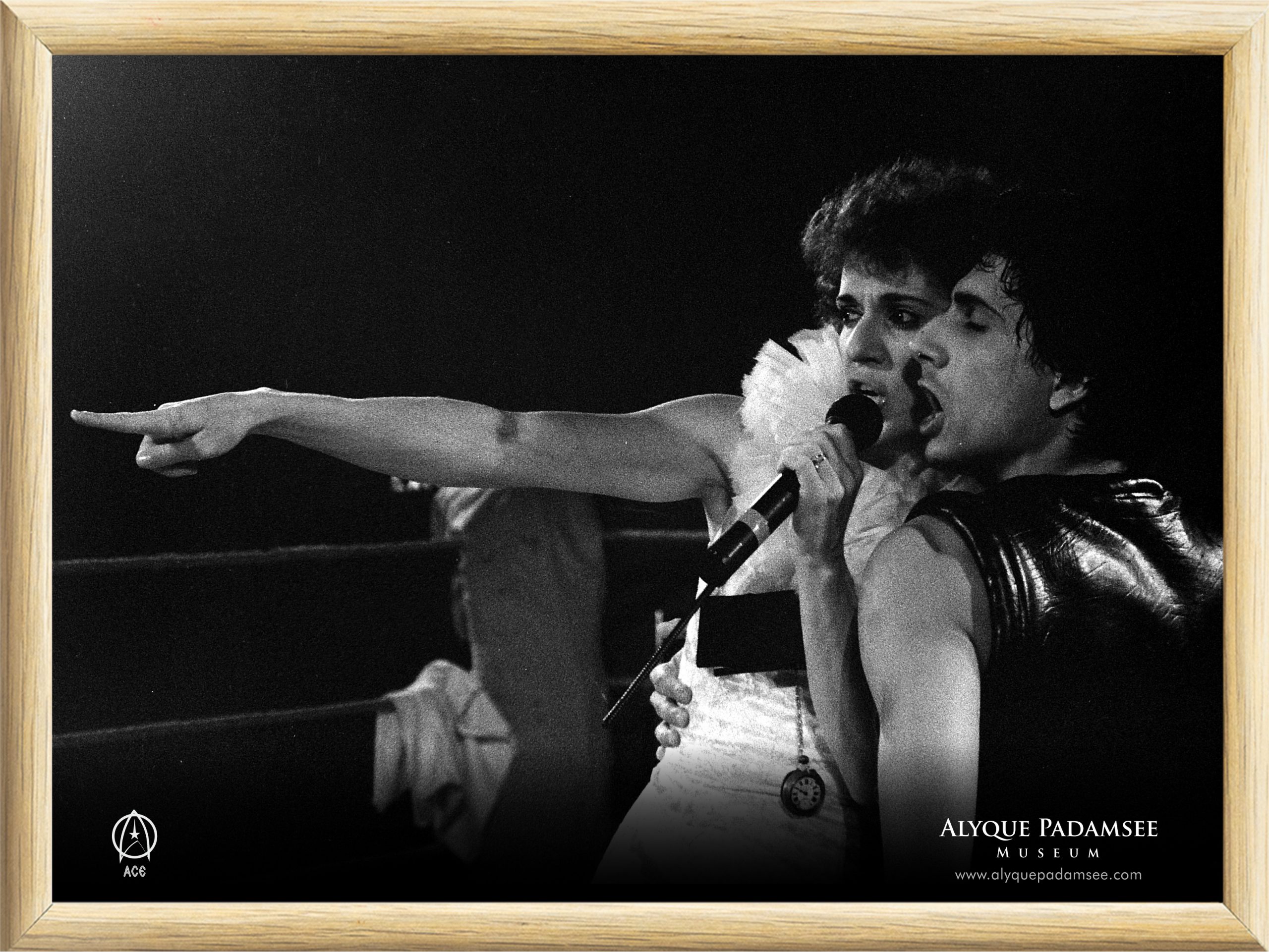
It being a musical, Karla would be given only a few seconds (covered up with a little music or the shrill whistle of the referee) to catch her breath before she was required to burst into song and then start her next wrestling round.
Alyque’s Take
‘Tanzi’ was clearly a path-breaking theatrical event. Its uniqueness of being set in a ring was fascinating for him. The entire play was a series of wrestling rounds.
The highlight of the play and one that Alyque loved endorsing was the fact that Tanzi was a woman who against all odds triumphs in the end. She was a firebrand, a fighter, and totally unputdownable.
He was very drawn to plays depicting valour, strength, and survival against all odds. This play tells a story of the problems and abuse that a woman has to undergo throughout her life, and all the problems that she faces have to be decided on the basis of a wrestling match, between the two opposing parties.
The actors had to start working on their physique and wrestling skills six months before they would even see the script and Alyque had all of the actors train at Kulsum Terrace, where he had a ring set up, and called upon Ratan Olak Singh, the nephew of wrestler Dara Singh, to train everyone in the sport and learn moves such as the Boston Crab and the Venus Flytrap. The whole cast trained for 6 days a week.
Even though many were sceptical about the performance of the play, it did surprisingly well for its kind in the mid-’80s.
The audience was in awe of the protagonist, played by Karla Singh, as she lifted 6-feet-tall Shiamak clear off the ground and over her head, till she slammed him to the floor.
The cast still remembers this play with very fond memories, and Karla Singh very accurately recalls at one time having 36 bruises all over her body due to the wrestling bouts.
The NCPA inaugurated the Experimental Theatre with this play in April 1986. The wrestling ring was built in the centre, with the audience seated all around it and the actors entering through the audience.
Cast & Team


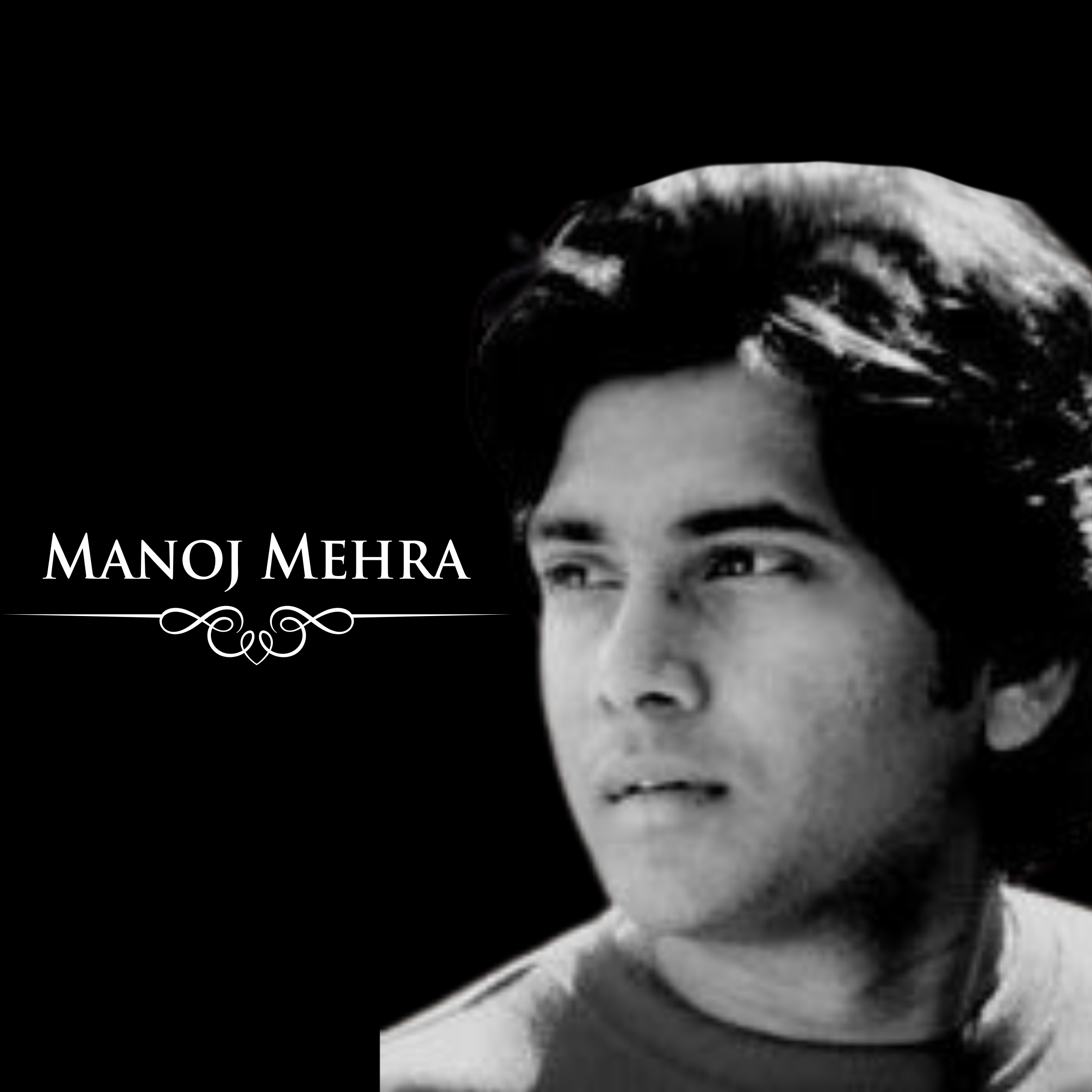
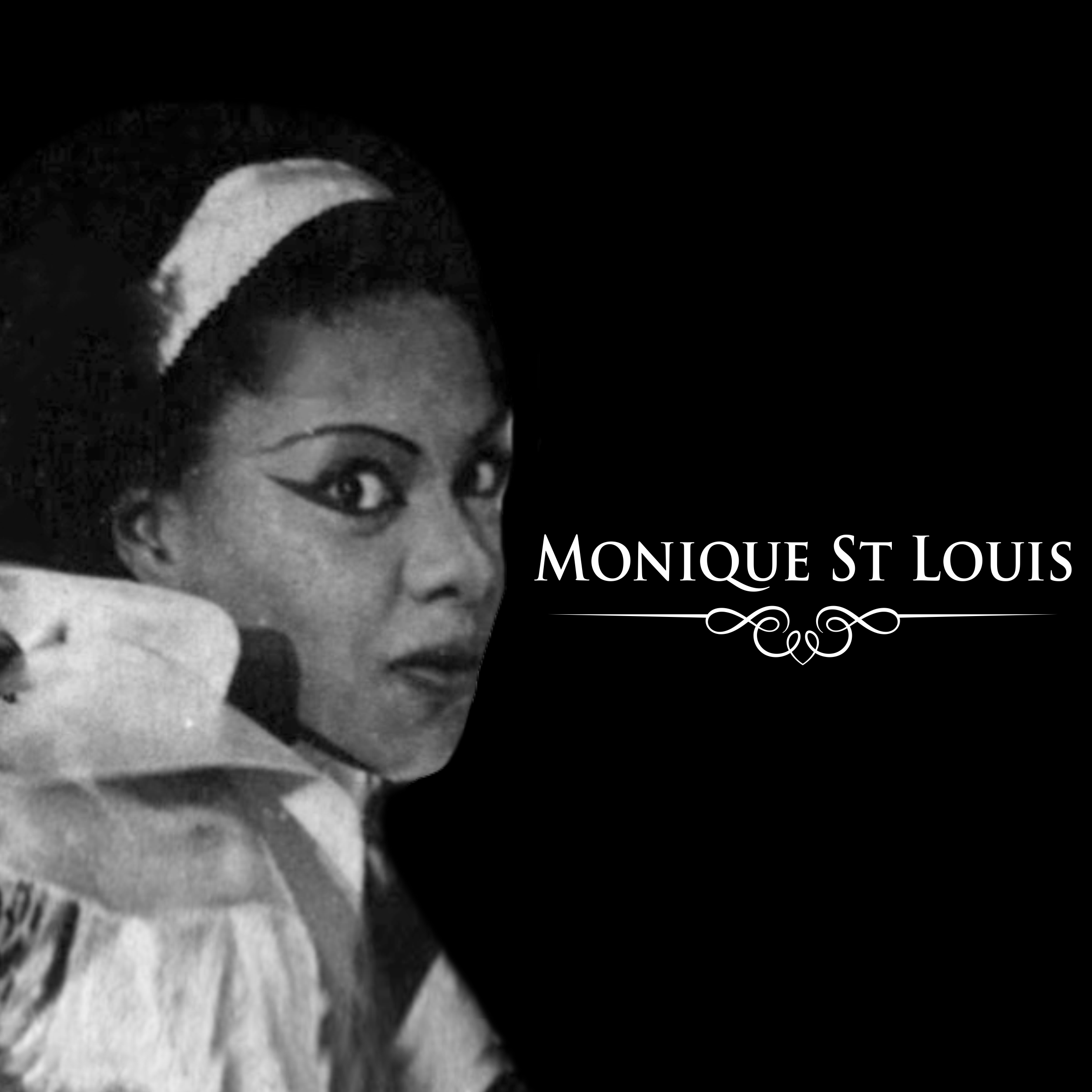

Image Gallery