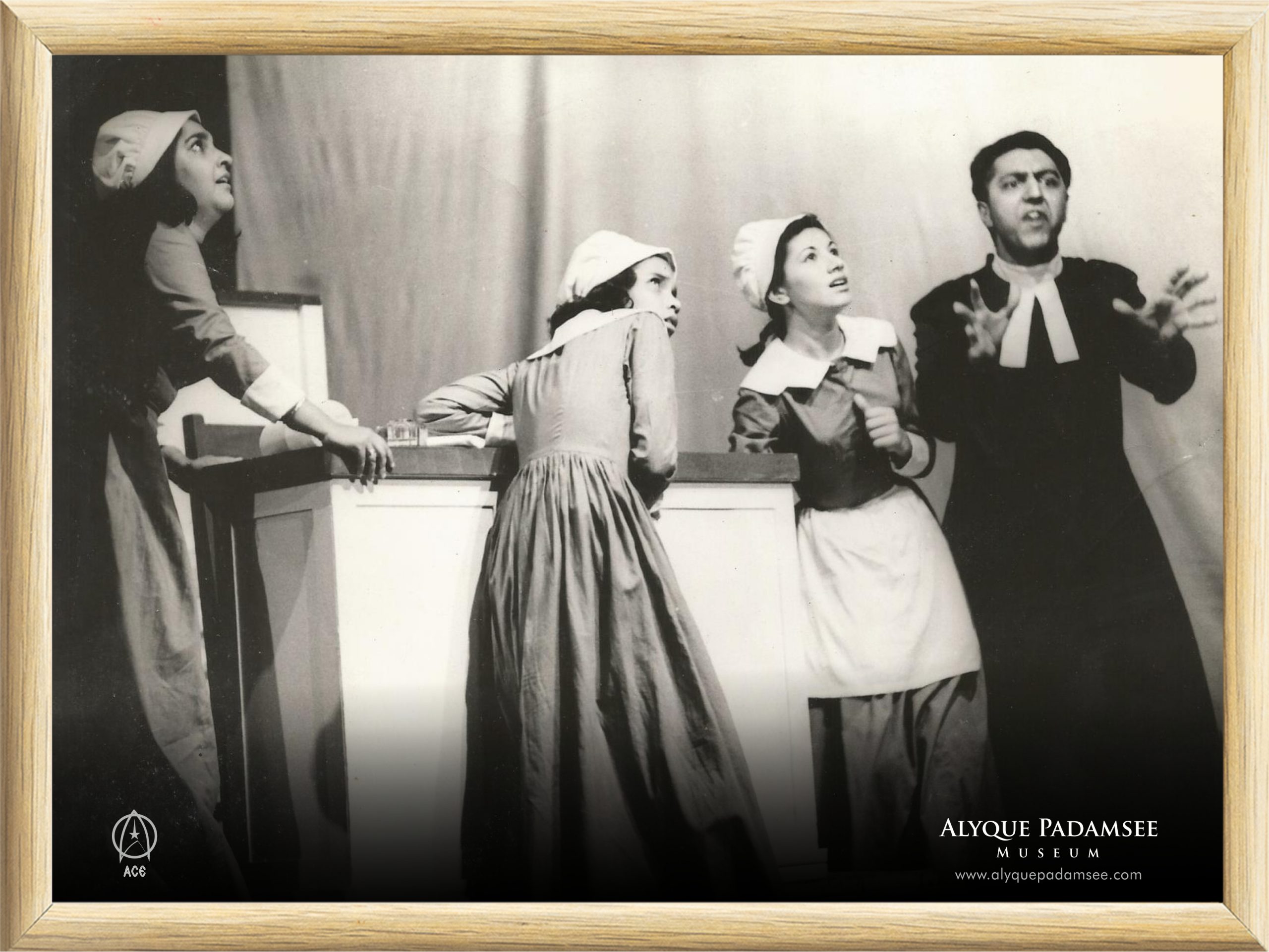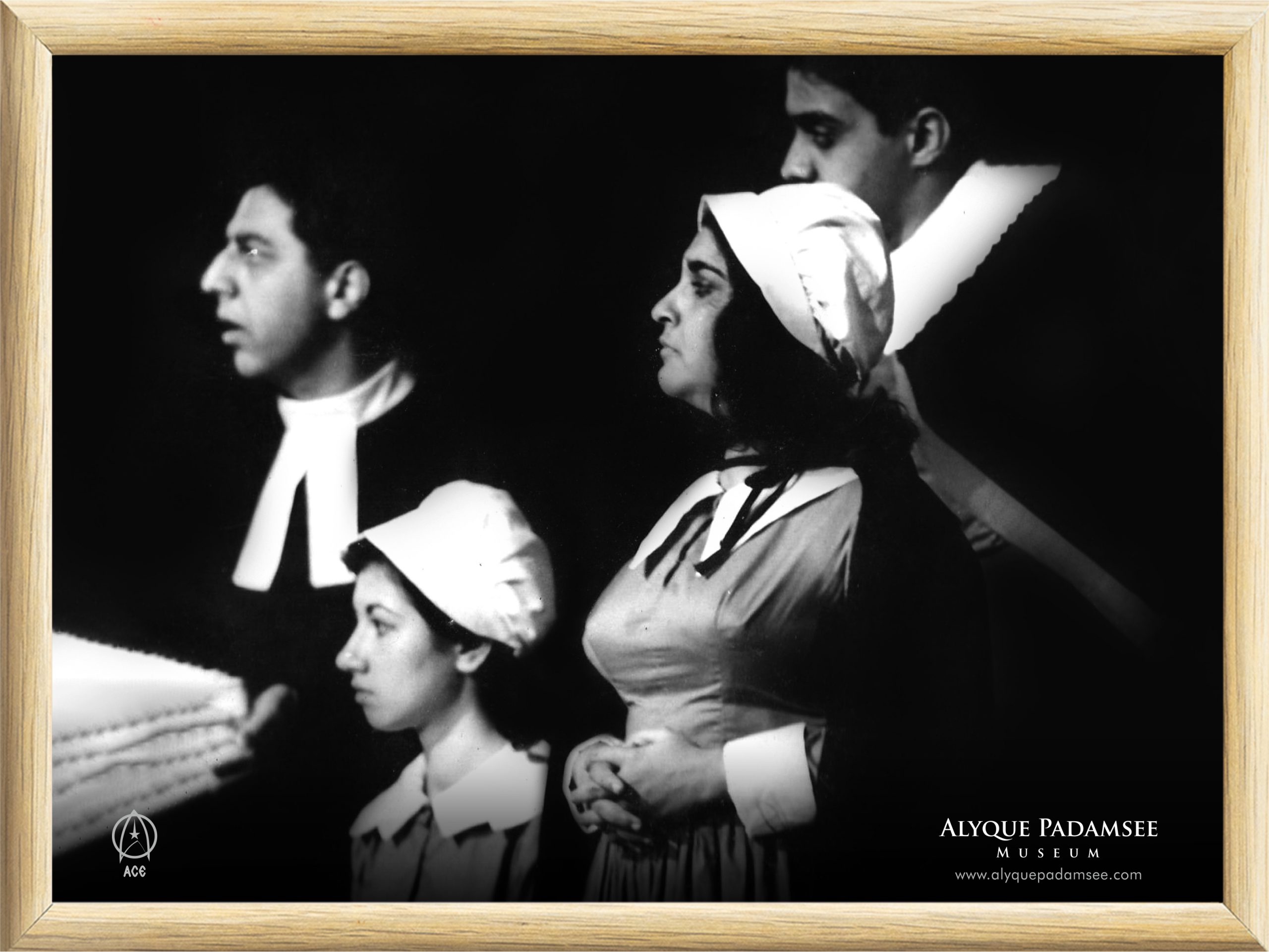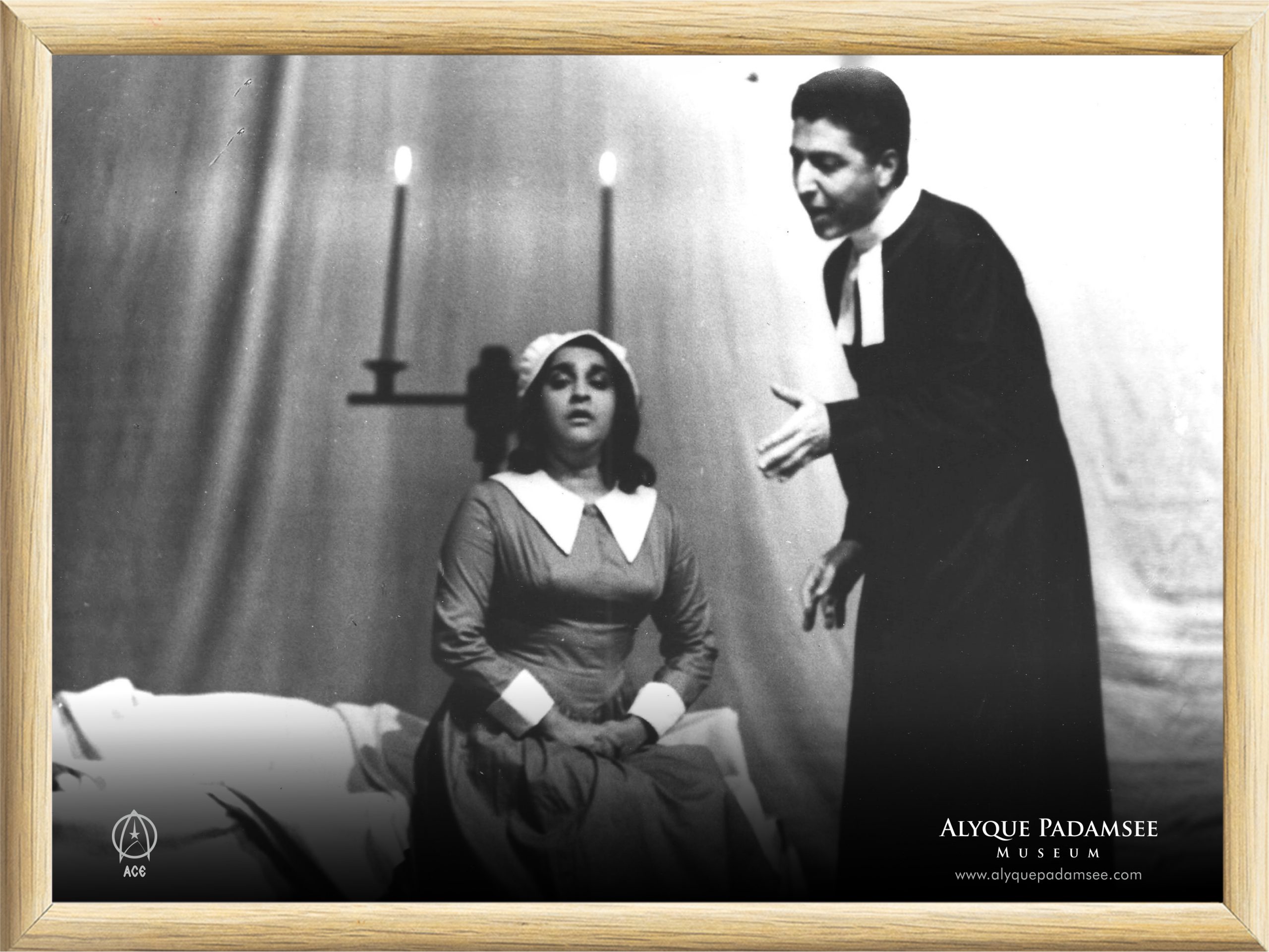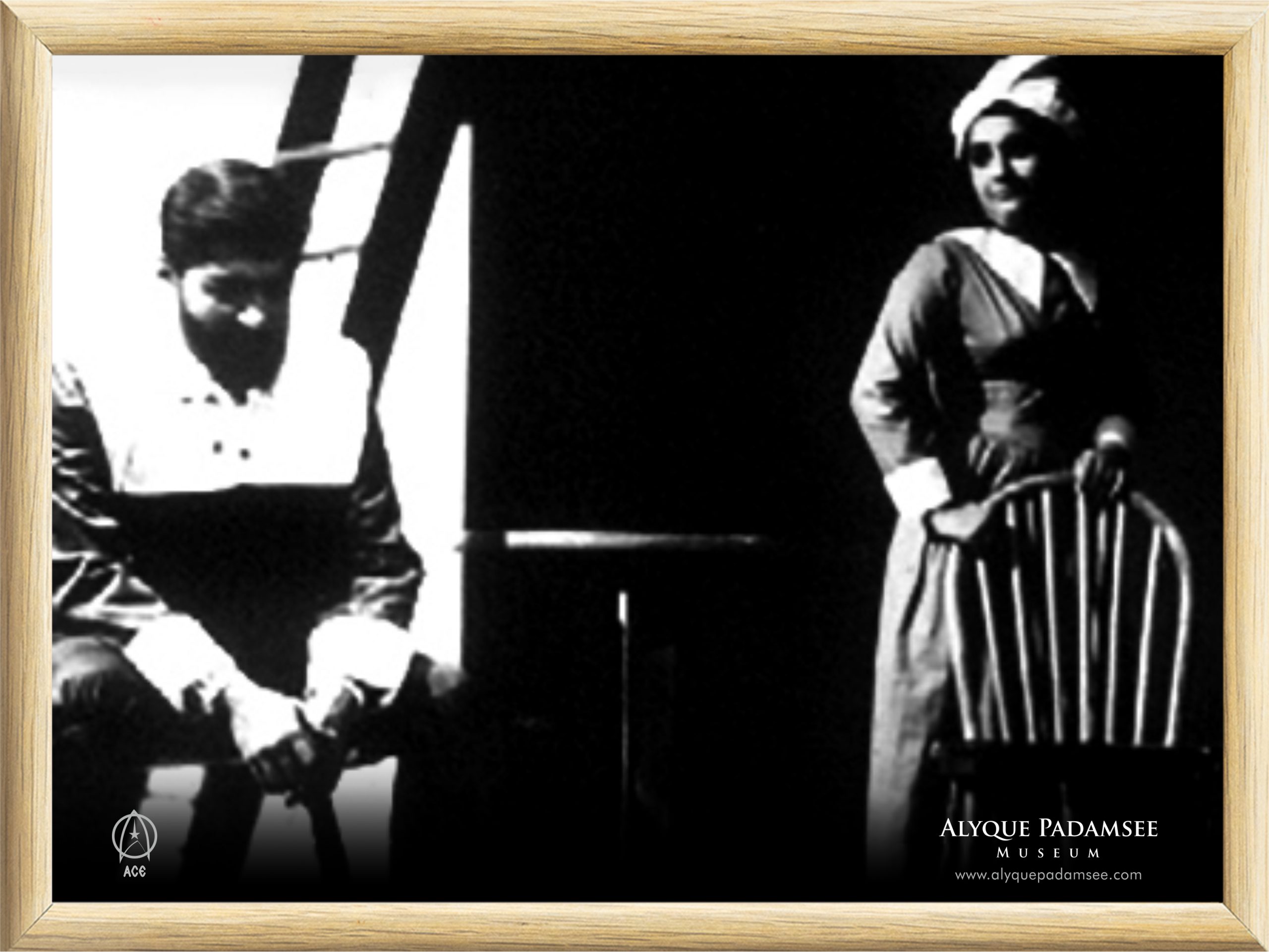

Play Synopsis
The Crucible takes place in Salem, Massachusetts, in 1692, during the Salem witch trials. The play is a fictionalised version of the trials and tells the story of a group of young Salem women who falsely accuse other villagers of witchcraft. The accusations and ensuing trials push the village into a hysteria that results in numerous arrests and executions. Historically, more than 200 people were accused of witchcraft during the Salem trials, and 19 were executed by hanging.
The play was written by American playwright Arthur Miller in 1953 as an allegory for McCarthyism and the anti-communist investigations of the 1950s. Miller himself was later questioned by the House Committee on Un-American Activities in 1956. He was convicted of contempt of Congress in 1957 for refusing to name others, but the conviction was overturned in 1958.
Through the events in Salem, Miller reveals the political and moral parallels between the witch trials and the persecution of people suspected of communist sympathies during his own time.
Alyque’s Take
In 1963, Alyque Padamsee directed Arthur Miller’s The Crucible at a time of considerable political tension in India.
Alyque recalled that, in 1961, there had been fears of Pakistani attacks on Bombay, while skirmishes in Kashmir and newspaper reports had heightened concerns about the possibility of war between India and Pakistan.
He was particularly disturbed by reports of Muslim men with beards being manhandled and beaten on the streets of Delhi because they were suspected of having Pakistani sympathies. To Alyque, this atmosphere of fear and suspicion resembled a witch-hunt.
He recognised a powerful parallel between what was happening in India and the anti-communist investigations associated with Senator Joseph McCarthy in 1950s America, when individuals were subjected to suspicion and persecution because of their alleged political beliefs.
For Alyque, The Crucible was therefore not merely a historical drama about seventeenth-century Salem. It was a reflection of the dangers of prejudice, political suspicion and mass hysteria in contemporary society.
According to Alyque’s archival recollection, the production premiered in New Delhi before Prime Minister Jawaharlal Nehru, with Indira Gandhi seated beside him.
Fun Fact: The morning after the performance, some of Alyque’s friends who had dined with Nehru the previous evening reportedly told him that the Prime Minister had spoken at length about the parallels between the play and the situation in India. Alyque recalled that while many members of the audience had missed the connection, Nehru had recognised its contemporary significance.
The production was originally intended to include a complete blackout. However, because Prime Minister Nehru was attending the premiere, the blackout could not be carried out for security reasons.
According to Alyque’s recollection, The Crucible was the last play Jawaharlal Nehru saw.
Cast & Team


Image Gallery